
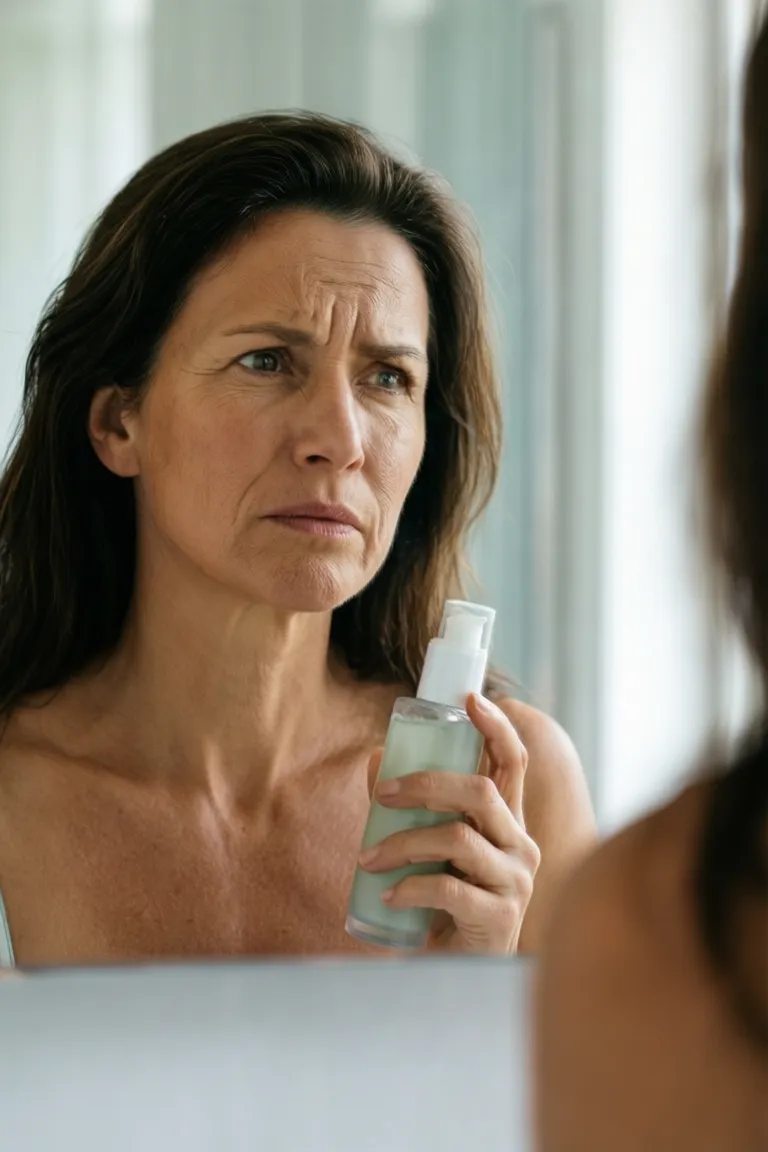
I’ve always prided myself on being a savvy shopper. At 48, with decades of skincare trials behind me, I’ve learned that good skin is an investment. So, when I finally decided to try Skinception for the fine lines creeping around my eyes and mouth, my first instinct wasn’t to just buy it—it was to hunt for the best price. I’d heard great things, but the price tag gave me pause. Like any modern consumer, I opened my Amazon app. There it was: the same product, with Prime shipping, for what looked like a significant discount. I clicked ‘Buy Now’ with a smug sense of victory, thinking I’d outsmarted the system. Weeks later, holding a bottle that felt vaguely off and staring at my reflection with no change, that victory curdled into a quiet, sinking frustration. My ‘deal’ hadn’t just saved me money; it had cost me my confidence in the product, and worse, it had wasted my precious time. This is the story of how my quest for a bargain led me down a rabbit hole of doubt, and why I ultimately had to learn the hard way that with skincare, the real cost isn’t always on the price tag.
My Amazon 'Bargain' That Felt Too Good to Be True (And Why It Was)
The moment I decided to try Skinception, my internal accountant took over. The official website was bookmarked, but my fingers typed "Skinception Amazon" into the search bar almost on autopilot. The appeal was a perfect storm: a listed price about 20% lower, the familiar comfort of my Prime membership promising delivery in two days, and the overwhelming trust I had in the Amazon ecosystem itself. I remember rationalizing it to my sister over the phone: "It's literally the same tube of cream. Why pay more for the same thing?" I felt clever, like I'd unlocked a secret hack. The seller had a name like "Wellness_Plus_Outlet" and thousands of positive reviews. I skimmed the star rating—four stars!—and felt reassured. I deliberately ignored the few critical reviews buried deep in the listings, the ones mentioning "packaging seemed off" or "arrived without a seal." I chalked them up to unlucky outliers or overly picky customers. My excitement to start this new, promising chapter in my anti-aging routine was louder than any whisper of caution. When the box arrived, it was on time and looked fine at a glance. But in my eagerness, I missed the clues. The cardboard felt thinner, less substantial than what I’d expect from a premium clinical brand. The color of the box was a bright, almost cheap white, not the soft, matte ivory I’d seen in official promotional images. I dismissed it as a trick of the light or a simple production batch difference. The deal was done, and I was ready to begin.
The Allure of Convenience and a Lower Price My primary driver was a mix of frugality and impatience. Saving that extra money felt like a win, a little reward for my shopping savvy. I told myself I could use the "savings" to buy a nice serum or a new sunscreen. The convenience was undeniable; with a busy work schedule and family life, the idea of clicking once and having it appear at my door in 48 hours felt like a necessity, not a luxury. I never once paused to ask the critical question: Why was it cheaper here? In my mind, Amazon was a retail giant with such volume and efficiency that they could simply offer better prices. The complex reality of third-party sellers, comingled inventory, and unauthorized distributors was a world I didn't understand—and didn't want to. I was buying a trusted brand name on a trusted platform. What could go wrong?
First Impressions: The Subtle Red Flags I Brushed Aside Unboxing the product, my focus was entirely on the tube inside. But the signs were there. The safety seal was the first real discrepancy. Instead of the tight, professional foil seal I later learned was standard, my tube had a flimsy, clear plastic shrink wrap around the neck. It was loose, like it had been applied hastily. The cap itself felt lightweight and plastic-y. The printing on the tube was crisp enough to read, but the font weight seemed slightly thinner. At the time, I was so focused on the promise of the cream inside that I mentally filed these observations under "inconsequential details." I was a consumer, not a detective. I twisted off the cap, pumped a pearl-sized amount onto my finger, and began my new ritual, blissfully unaware that my journey was already starting off on the wrong foot.
The Unsettling Differences: What I Noticed Between My Amazon Order and the Official Site's Promises
The first true pang of doubt hit me about a week in, not when I looked in the mirror, but when I felt the product on my skin. The official descriptions touted a "rich, velvety emulsion that absorbs quickly without a trace." The substance from my Amazon tube was different. It had a runnier consistency, almost like it had begun to separate. When I pumped it, a little watery liquid came out first. It didn't absorb so much as it sat on my skin, leaving a faint, slippery film that took a good three to four minutes to disappear. Then there was the scent. While advertised as fragrance-free, I expected that clean, neutral, "cosmetic" smell of high-quality bases. This had a subtle, off-putting chemical note, like faint plastic or old wax. It wasn't strong, but it was present every single time I applied it, a tiny alarm bell ringing with each use.
Sensory Discrepancies: When Your Senses Sound the Alarm As the weeks turned into a full month, my morning and evening routine felt increasingly fraught. I’d apply the cream, feel that slight greasy residue, catch that odd scent, and a little voice would ask, "Is this right?" I became a student of my own skin, scrutinizing it under harsh bathroom lighting, searching for any sign of the "visible reduction in fine lines" I’d been promised. There was nothing. Not a hint of improved hydration, not a slight plumping of the lines around my eyes. My skin looked and felt exactly the same. I started to blame myself. Maybe I needed to apply more. Maybe my moisturizer was interfering. I went back to the Skinception official website vs Amazon reviews I’d seen, and a cold feeling settled in my stomach. The experiences described there—people seeing results in weeks, praising the texture—were completely foreign to my own experience buying Skinception on Amazon. The color of the cream, which in genuine product shots was a soft ivory, seemed a dull, flat white in my bathroom light. These weren't glaring, obvious fakes; they were a cascade of small, quiet inconsistencies that slowly eroded my trust. how I reduced fine lines around my eyes at 42 without injections.
Investigating the Source: The Cold Reality of Third-Party Sellers That gnawing worry finally pushed me to do the research I should have done upfront. I went back to my Amazon order history and clicked on the seller's name: "Wellness_Plus_Outlet." Their profile was bare bones—no "About" section, no business address, just a generic name. This time, I didn't look at the overall product reviews. I filtered to see reviews for this specific seller. And there, in the three-star section, was my story echoed by strangers. "Packaging looked different from the one I bought last year from the brand's site." "I bought Skinception on Amazon and it didn't work at all." "The seal was broken." The pieces of the puzzle slammed together. I wasn't imagining things. I wasn't using it wrong. The product was likely not authentic. The discounted price, which had felt like a reward for my cleverness, now felt like a price tag for my gullibility.
Beyond the Price Tag: Why Authenticity and Support Matter More Than I Realized
My frustration over wasted money quickly evolved into a deeper, more visceral anxiety. If the texture and smell were wrong, what did that mean for the ingredients inside the tube? The terrifying possibility hit me: I had no idea what I had been putting on my face for over a month. Counterfeit skincare isn't just about fake logos; it's about unverified, potentially dangerous contents. It could be a diluted formula with none of the active ingredients, rendering it useless. Worse, it could contain contaminants, heavy metals, allergens, or even bacterial growth from improper storage. The fact that my skin hadn't broken out in a rash felt like sheer luck, not a sign of safety. The peace of mind that comes from using a product manufactured under strict clinical controls, with verified ingredients, is something you don't appreciate until you realize you've been living without it. I had gambled with my skin's health to save a few dollars. why my firming cream isn’t working for sagging skin after 40.
The Hidden Costs of a "Bargain" The financial loss was just the entry fee. I then realized all the support structures I had unknowingly waived. My Amazon purchase came with Amazon's 30-day return window, but that was my only recourse. I had no direct line to Skinception's customer service. If I had a question about pairing it with retinol, or if I experienced delayed irritation, I was completely on my own. The official store, I discovered, offered direct access to product experts and stood behind their formulas with manufacturer guarantees. My bargain tube had no batch code I could trace, meaning if there was ever a safety recall or a formulation update, I would be in the dark. The true cost of 'saving money' became painfully clear: it was the loss of security, support, and certainty. The premium price on the official site isn't just for the cream; it's for the entire ecosystem of trust—from secure sourcing and fresh batches to knowledgeable support and a brand that stands behind its promise.
| Purchasing Approach | Best For | Realistic Risk Level | Key Consideration |
|---|---|---|---|
| Direct from Official Brand Website | Those prioritizing authenticity, support & guaranteed results | Very Low | You pay for the product + the entire trust ecosystem (freshness, support, guarantees). |
| Authorized Retailer (e.g., select dermatology sites) | Shoppers wanting convenience from a vetted source | Low | Must verify authorization directly on the brand's website first. |
| Major Marketplace (Sold/Ships by Brand) | Convenience-seekers who trust the platform's direct partnerships | Moderate | Ensure the seller is listed as the brand itself, not a third party. |
| Third-Party Sellers on Marketplaces | Bargain hunters willing to accept significant uncertainty | Very High | High risk of counterfeit, expired, or tampered goods. Savings come at the cost of safety and efficacy. |
Scientific Evidence
My Switch to the Official Skinception Store: What Changed (and What Didn't)
Humbled and determined to know the truth, I finally went to the official Skinception website. The experience was different from the moment I landed on the homepage. It felt curated, secure, and focused entirely on the product and its science, not on a million other competing items. With a sigh, I placed my order at full price, plus shipping. This time, there was no smug victory, just a hopeful resolve. When the package arrived, the difference started at my doorstep. The box was sturdier, with a matte finish. Opening it felt like unboxing a piece of well-designed skincare, not just a shipped commodity. The tube inside was sealed with a tight, pristine foil membrane over the opening—the kind you have to puncture to get to the product. The first pump was a revelation. The texture was exactly as described: a rich, velvety cream that felt luxurious between my fingers. It warmed on my skin and absorbed almost completely within 30 seconds, leaving no greasy film. The scent was neutral, clean, and simply… professional.
Observable Improvements: Efficacy and the Validation of Doubt I began using the genuine product with a mix of skepticism and hope. I told myself to be patient. But within just two weeks, I noticed a change not in the mirror, but by touch. The skin around my eyes and on my cheeks felt noticeably smoother, more supple when I cleansed at night. By the end of the fourth week, I could see it. The fine lines that had felt etched were softer, less visible when my face was at rest. The product worked. This confirmation was a double-edged sword. It was a immense relief to finally see the results I wanted, but it was also a frustrating validation that I had wasted over a month with an inferior product. The switch to the official Skinception store changed everything about the outcome, while my routine itself remained identical. It proved that the variable wasn't me or my skin; it was the authenticity of the formula. does hydration really help get rid of fine lines around eyes or am I wasting money.
The Value of a Relationship, Not Just a Transaction A few weeks in, I realized I had a question about the order of application in my routine. On a whim, I used the "Contact Us" form on the Skinception site. Within a day, I had a thoughtful, personalized email from a customer care representative named Sarah, who answered my question thoroughly and even offered an additional tip. This single interaction highlighted the profound chasm between my two purchases. Buying from the official source wasn't a one-off transaction with a faceless warehouse; it initiated a relationship. I had access to people who knew the product intimately and cared about my experience with it. This layer of support and accountability was utterly absent from my Amazon purchase, where the seller was merely a digital storefront with no stake in my long-term results or satisfaction.
The Deeper Dig: What I Learned About How This Happens
My experience left me wanting to understand how this could happen on a platform I trusted. I spent an evening down a research rabbit hole, and what I learned was both enlightening and unsettling. The issue often comes down to "comingled inventory." For efficiency, Amazon sometimes groups identical SKUs from different sellers (including the brand and various third-party sellers) together in their fulfillment centers. When an order is placed, a worker picks an item from that bin. So, even if you buy from a reputable seller, the physical product you receive could have been sent in by anyone—including a counterfeiter. This system relies entirely on trust in every single seller in the chain, a trust that is easily broken. Furthermore, many third-party sellers source products from unauthorized distributors, liquidators, or even foreign markets where formulations or packaging standards differ. These products can be old, expired, or improperly stored, degrading the active ingredients. Understanding this didn't make me feel better about my initial purchase, but it did arm me with knowledge. It explained why the Skinception I bought on Amazon looked different—it likely came from a completely different, unverified supply chain altogether. Dupilumab treatment improves signs, symptoms, quality of life, and work productivity in patients with atopic hand and foot dermatitis: Results from a phase 3, randomized, double-blind, placebo-controlled trial.
Lessons Learned: How to Avoid My Skinception Online Shopping Mistake
This journey from a confident bargain-hunter to a wiser, slightly chastened consumer taught me lessons I now apply to every single skincare and wellness purchase. I no longer assume that a major marketplace equals authorized retail. I've learned that answering where is the best place to buy Skinception online starts and ends with the brand's own "Where to Buy" page. A discount on a marketplace is now a trigger for investigation, not celebration.
A Checklist for Verifying Authenticity Before You Click "Buy"
- Start at the Source: Always visit the brand's official website first. Look for an "Authorized Retailers," "Store Locator," or "Where to Buy" page. If your chosen online store isn't listed, it's not authorized.
- Decode the Seller: On Amazon, scrutinize the "Ships from" and "Sold by" information. The only truly safe scenario is "Sold by [Brand Name] and Fulfilled by Amazon." Anything else is a third-party seller.
- Read with Purpose: Don't just look at star ratings. Read the 3-star reviews. They often contain the most honest, nuanced feedback about inconsistencies, packaging issues, or lack of results.
- Trust Your Senses: How to tell if Skinception is authentic starts when you open the box. Authentic clinical skincare invests in high-quality, tamper-evident packaging. A flimsy box, a loose or missing seal, or blurry printing are major red flags. If the product's texture, smell, or color seems off, it probably is.
Reframing the Idea of "Value" My most profound lesson was redefining what a "good deal" means. For skincare, the best value isn't the lowest price; it's the highest probability of receiving a safe, fresh, and effective product backed by real support. The few extra dollars spent buying directly are an insurance policy for your skin's health and your peace of mind. The question should I buy Skinception directly from the manufacturer now has a crystal-clear answer for me: absolutely yes. It’s the only way to ensure you’re getting what you’re paying for—the real science, the real formula, and the real promise of results.
Frequently Asked Questions
Q: Is Skinception on Amazon real or fake? A: This was the heart of my confusion. It's not a simple yes or no. Amazon itself can be a retailer of real products, but its marketplace model is the problem. Unless the listing explicitly states "Ships from and Sold by Amazon.com" as the brand's official storefront, you are dealing with a third-party seller. The risk of receiving a counterfeit, expired, or tampered-with product from these sellers is significant due to comingled inventory. My hard-earned advice? The uncertainty isn't worth it. For complete peace of mind, buy directly from the source.
Q: I bought Skinception on Amazon and it didn't work. What should I do? A: I know exactly how disheartening and confusing that feels. First, listen to your instincts and stop using the product if you have any doubts about its authenticity or if it causes any irritation. Reach out to Amazon Customer Service immediately to initiate a return under their A-to-z Guarantee—you have buyer protection. Then, if you still believe in the product's claims, I urge you to try it from the official Skinception store. For me, the difference was undeniable. The genuine product delivered the results I was originally hoping for, while the other was simply a waste of time.
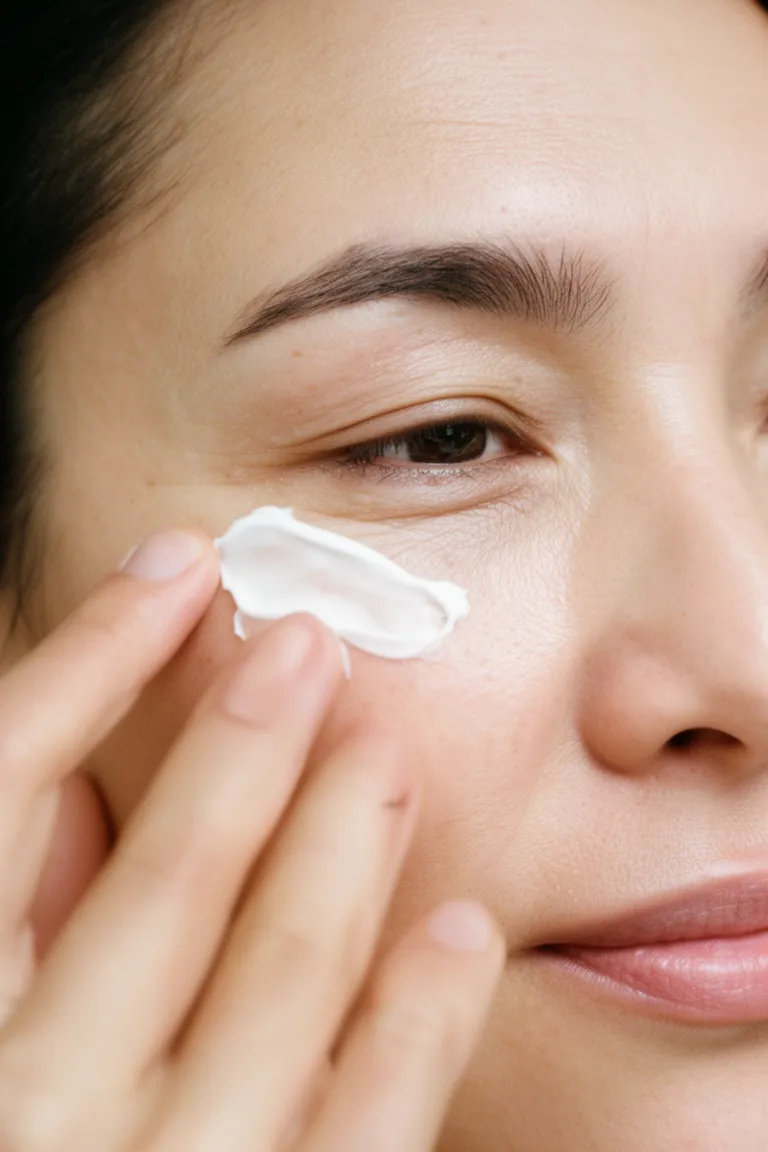
Q: Why is Skinception cheaper on Amazon? A: This was the lure that hooked me. A significantly lower price on a marketplace usually signals a compromise. The reasons can be troubling: the product could be counterfeit, it might be old or expired stock (with degraded actives), it could be a diluted formulation, or it may have been sourced from an unauthorized distributor in another country. In clinical skincare, deep discounts rarely come without hidden costs to authenticity, potency, and safety.
Q: How can I tell if my Skinception product is authentic? A: Start with the packaging. Genuine products have high-quality, crisp printing on sturdy boxes. The most telling sign is the seal: look for a tight, tamper-evident foil seal directly over the tube opening (not just a plastic cap over a loosely shrunk-wrapped neck). The product itself should have a rich, consistent texture and a neutral, clean scent—not runny, greasy, or chemical-smelling. If you have the batch code, you can contact Skinception's customer service for verification.
Q: What are the real risks of buying skincare from unauthorized sellers? A: The risks extend far beyond wasted money. You're potentially applying a product with unknown ingredients. Counterfeits can contain contaminants, allergens, incorrect pH levels, or even harmful substances like steroids or heavy metals. You also forfeit any access to manufacturer support, valid warranties, and the assurance that the product has been stored correctly to preserve its efficacy. It's a direct gamble with your skin's health.
Q: Is the official Skinception website the only safe place to buy? A: It is the safest and most guaranteed option. Some brands do have a limited network of authorized retailers (like select dermatology clinics or premium beauty sites), which should be listed on their official site. However, after my experience, I believe direct purchase from the brand is the surest path. It eliminates all middlemen, ensures you get a fresh batch, and connects you directly to their customer care team.
Q: How long did it take you to see real results with the authentic product? A: With the genuine Skinception from their official store, I noticed a tangible improvement in my skin's texture and hydration within two weeks—it just felt smoother and more resilient. A visible softening of my fine lines, particularly around my eyes, became clear around the four-week mark. Consistency was key, but the pivotal factor was finally using the real, potent formula. My previous two months with the questionable Amazon product yielded absolutely zero progress.
📌 Love this guide? Save it on Pinterest!
Pin Skinception Official vs Amazon 2026: My Shocking Skincare Deal Discovery! to your board so you can come back to it later.

