

If you’re a dad navigating your 40s or 50s, the relentless cycle of career demands, family duties, and personal responsibilities has likely led you to a frustrating question: Why does a full night’s sleep no longer recharge you? You’re not alone. A growing wave of conversation in men’s health is pinpointing this specific experience—logging 7 or 8 hours but waking up drained—to a hidden physiological trap. This isn't merely "aging" or being busy; it’s a distinct cycle where undiagnosed sleep disorders, shifting hormones, and dad-specific stressors converge, creating a perfect storm of exhaustion that generic advice can’t fix.
The Exhaustion Paradox: Sleeping Yet Never Rested
You adhere to a reasonable bedtime, you don’t recall frequent awakenings, and yet morning arrives with a thick brain fog and a deep-seated fatigue that caffeine barely touches. This is the defining paradox of the low T-sleep trap. For men over 40, the issue is increasingly not sleep quantity, but a catastrophic erosion of sleep quality. Your body is present in bed, but the critical, restorative stages of sleep—the deep sleep that repairs tissue and the REM sleep that consolidates memory—are being systematically disrupted. The result is a body that has logged time but skipped the essential recovery, leaving you functionally exhausted from the moment you open your eyes.
Restore energy, reclaim your day.

Discover simple strategies to combat fatigue and revitalize your life.
How Sleep Apnea Steals Your Energy After 40
One of the primary architects of this non-restorative sleep is obstructive sleep apnea (OSA). This condition, characterized by repeated pauses in breathing during sleep, is notoriously underdiagnosed in midlife men who often mistake its symptoms for the inevitable toll of stress or getting older. Each time your airway collapses and breathing stops, your brain triggers a micro-arousal—a tiny awakening to restart breathing—that fragments your sleep architecture. You may remain largely unconscious, but you are repeatedly pulled from the deep, restorative stages of sleep. Your heart rate and blood pressure spike, and your body enters a state of stress. You wake up having technically been in bed all night, but your system has been in a silent, nightly battle for air, leaving you with undiagnosed sleep apnea causing exhaustion dad over 40.
Beyond Snoring: Key Indicators
Loud, chronic snoring punctuated by gasps or silent pauses is a classic sign, but it’s not the only one. Waking up with a dry mouth or sore throat, experiencing morning headaches, and battling unshakable daytime drowsiness are major red flags. For the busy dad, these are easily attributed to a hard week or poor sleep, but they are direct signals of a disrupted night. Your partner’s observations about your breathing are often the most valuable diagnostic tool in the early stages.
Let's consider the hormonal aspect of this fatigue puzzle. It's crucial to understand how these factors intertwine.
Low Testosterone's Role in Poor Sleep Recovery
While sleep apnea sabotages the structure of your sleep, a parallel and often interlinked issue undermines your body’s ability to benefit from whatever sleep you do get: declining testosterone. From around age 40, many men experience a gradual, natural decline in this key hormone. Testosterone’s role extends far beyond sexual health; it is a fundamental regulator of energy metabolism, muscle repair, mood stability, and cognitive function. Low testosterone sleep issues men 40s can manifest as a pervasive fatigue that persists despite adequate hours in bed. Crucially, a vicious cycle exists: poor sleep quality lowers testosterone production, and low testosterone, in turn, leads to poorer sleep quality and reduced time in deep sleep, trapping you in a self-perpetuating spiral.
For more insights, explore signs of low testosterone vs just low libido in men.
The Brain Fog and Slow Recovery Connection
This hormonal shift explains the nuanced complaints of high-performing dads. You might find your focus at work scatters more easily, your motivation for evening activities with the kids wanes, and minor physical tasks leave you feeling sore for days. This isn’t laziness; it’s a physiological state where your body lacks the essential hormonal signal to effectively rebuild cellular energy, repair muscle tissue, and recharge the central nervous system overnight.
Sleep better, feel younger.

Unlock the secrets to deeper sleep and renewed vitality after 40.
Breaking the Stress-Cortisol Cycle Draining Dads
The modern dad’s reality is a high-pressure incubator for chronic stress. Juggling financial pressures, career advancement, and active parenting keeps the nervous system in a constant state of high alert. This triggers the sustained release of cortisol, the body’s primary stress hormone. In the short term, cortisol is adaptive; chronically elevated, it becomes destructive. It directly suppresses the production of testosterone and keeps your nervous system in a "fight or flight" mode that is fundamentally incompatible with deep, restful sleep. Even when you finally lie down, your biology is wired for vigilance, not restoration. This stress-cortisol loop is a potent, often-ignored accelerator of the fatigue experienced by men who are otherwise "managing" their high-stress lives.
Learn more about cortisol killing testosterone why test booster alone fails.
The Dangerous Interplay: A Self-Reinforcing Triangle
The true "trap" is not any one of these factors in isolation, but their powerful, synergistic interplay. They form a self-reinforcing triangle of exhaustion that explains why simplistic solutions fail.
- Sleep Apnea fragments sleep and causes intermittent oxygen drops, which is a physical stressor that can suppress testosterone production.
- Low Testosterone reduces muscle tone (potentially worsening airway collapse), diminishes sleep quality, and reduces resilience to daily stress.
- High Cortisol/Stress directly lowers testosterone, increases inflammation, and prevents the nervous system from calming down for sleep, which can exacerbate breathing disruptions.
This interconnected cycle means treating just one aspect often yields limited results, as the other two continue to fuel the problem.
Scientific Evidence
- ✔ Clinical Support: Testosil™ Formula
- ✔ Expert Community: ExcelMale Forum
- ✔ Study: Impact of Symptoms of Late-Onset Hypogonadism as a Potential Driver of Presenteeism.
Dad-Specific Factors Disrupting Sleep Architecture
Generic health advice fails because it ignores the unique realities of midlife fatherhood that directly attack sleep quality. Irregular family schedules—from a newborn’s nighttime feeds to a teenager’s late return—constantly reset your circadian rhythm, making consistent, deep sleep elusive. The sedentary nature of many desk-bound careers, paired with shrinking time for exercise, promotes weight gain, particularly around the neck, which is a key risk factor for sleep apnea. Furthermore, the relentless mental load of managing household logistics and work projects means your brain struggles to disengage at bedtime. These aren’t minor lifestyle quirks; they are direct, persistent assaults on the physiological processes your body needs to recover after 40.
It's clear that addressing these issues requires a comprehensive approach. Let's explore some diagnostic steps to move forward.
Evidence-Based Diagnostic Steps: From Guesswork to Data
Escaping the trap requires moving from self-diagnosis to clinical data. The first and most critical step is a detailed conversation with your doctor. Frame your symptoms clearly: "I am sleeping 7-8 hours but waking up exhausted with brain fog every day." This complaint should trigger two key evidence-based investigations.
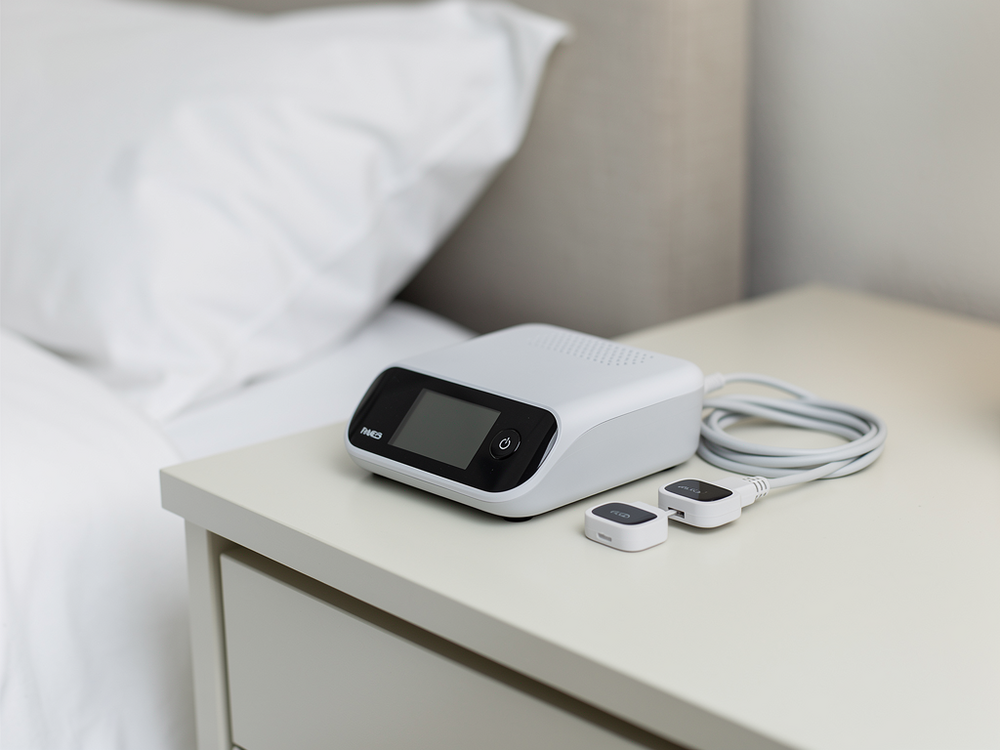
Blood Tests for Hormonal Insight: A comprehensive blood panel can assess not only total testosterone but also free testosterone, SHBG (sex hormone binding globulin), and related markers like cortisol and thyroid hormones. This provides a clear baseline to understand if hormonal shifts are contributing to your new dad fatigue. Sleep Study for Apnea Diagnosis: The gold standard for diagnosing sleep apnea is a sleep study (polysomnography). Today, this can often be done conveniently with a home sleep apnea test (HSAT), a portable device you use for one night in your own bed. It measures breathing, oxygen levels, and heart rate, offering definitive evidence of sleep disruptions.You might also want to investigate low sex drive in men after 30 but normal testosterone and no stress.
When to See a Specialist
If initial tests indicate significant issues, your primary care physician may refer you to specialists. An endocrinologist can manage complex hormonal balances, while a sleep medicine specialist can interpret sleep study results in detail and recommend treatments like CPAP (Continuous Positive Airway Pressure) therapy. Pursuing these paths is a safe, structured approach to reclaiming your energy. A study on Myotonic Dystrophy Type 2 Myotonic Dystrophy Type 2. highlights the importance of accurate diagnosis for sleep-related issues.
Practical Fixes and Routines to Reclaim Your Energy
Breaking the cycle demands a multi-pronged strategy that addresses all angles of the trap. The following table outlines realistic pathways, from foundational lifestyle changes to medical interventions, helping you understand the scope and commitment of each.
| Approach | Best For | Timeline for Noticeable Change | Key Consideration |
|---|---|---|---|
| Lifestyle-First Optimization | Men with mild symptoms, early hormonal shifts, or as an adjunct to medical treatment. Focuses on sleep hygiene, stress management, diet, and exercise. | 6 weeks to 3 months | Requires high consistency. May not be sufficient if moderate-to-severe apnea or clinically low testosterone is present. |
| Targeted Medical Treatment (e.g., CPAP for Apnea) | Men with diagnosed moderate-to-severe obstructive sleep apnea. Addresses the direct cause of sleep fragmentation. | Days to 2 weeks for energy improvement | Involves medical diagnosis and adherence to using a device. Highly effective for restoring sleep quality when apnea is the primary issue. |
| Combined Protocol (Lifestyle + Medical) | The most effective strategy for the full "trap." Combines CPAP or other apnea treatment with lifestyle changes to support hormones and stress. | Staggered: Sleep improves quickly (weeks), hormonal/stress benefits build over months. | Addresses the interconnected cycle. Requires coordination with healthcare providers and personal commitment. |
| Hormone Evaluation & Potential TRT Pathway | Men with consistently and significantly low testosterone levels confirmed by blood tests, alongside persistent symptoms, after other factors like apnea are addressed. | Several weeks to a few months after treatment initiation | Requires thorough diagnostic workup and ongoing medical supervision. Not a first-line solution for fatigue alone. |
Consider these practical steps as you build a sustainable recovery plan. Prioritizing your health is an investment in your overall well-being.
Building a Sustainable Recovery Plan for a Busy Dad
The path out of the fatigue fog is not about adding more to your overflowing plate. It’s about strategic, efficient upgrades to your foundational health systems. Start with the diagnostic steps to identify your specific bottlenecks. If sleep apnea is confirmed, treating it is your highest-leverage action. Integrate short, high-intensity workouts instead of impractical marathon gym sessions. Prepare simple, balanced meals in batches. Protect small windows of true downtime. The energy you invest in this systematic approach is repaid exponentially by the vitality you regain, allowing you to be fully present for your career and your family without running on empty. You are solving for why am I tired all day after 8 hours sleep over 40, and the answer, while multifaceted, is within your reach.
Frequently Asked Questions
Timelines differ based on the root cause and treatment. For sleep apnea, effective treatment like CPAP therapy can lead to dramatically improved energy and mental clarity within the first few days to a week for many men. For issues primarily related to low testosterone, lifestyle interventions may yield subtle improvements in a few weeks, with more substantial changes in energy and recovery taking several months of consistency. If testosterone replacement therapy (TRT) is medically indicated, effects on energy often begin within a similar timeframe. A combined approach addresses both, with benefits arriving in stages.
Are the tests for these conditions safe and complicated?The diagnostic tests are very safe and straightforward. A hormone panel involves a standard blood draw. A home sleep study for apnea requires wearing a simple monitor on your finger, chest, and sometimes under your nose for one night in your own bed. These are non-invasive, evidence-based tools designed to provide clear answers with minimal disruption to your life.
Is this fatigue just something I have to accept as a dad over 40?Absolutely not. While a slight decline in recovery speed is a natural part of aging, persistent, life-draining exhaustion is not a mandatory sentence of fatherhood or midlife. It is a critical signal from your body that a core physiological process—restorative sleep and hormonal balance—is compromised. Identifying and addressing the specific root causes can lead to a dramatic restoration of your energy, focus, and quality of life.
I’m a busy dad; how can I possibly fit in another health routine?The goal is integration, not addition. Effective strategies are built for efficiency: 20-minute high-intensity workouts, using a CPAP machine while you sleep (which requires no waking time), preparing simple meals in batches, and practicing 5-minute mindfulness sessions. The time and energy you currently lose to daily fatigue far outweigh the modest, targeted investment required to break the cycle.
Who is most at risk for falling into this “low T-sleep trap”?This trap is most prevalent among men in their 40s and 50s who are under chronic high stress (work, family, or both), may have experienced weight gain (particularly around the abdomen and neck), and have irregular sleep patterns due to lifestyle or family demands. New fathers and busy dads who are constantly "on" and have normalized their fatigue as part of a hectic life are especially susceptible to having these interconnected issues go undiagnosed.
📌 Love this guide? Save it on Pinterest!
Pin Tired After 40? Uncover the Low T-Sleep Trap in 2026 to your board so you can come back to it later.

