
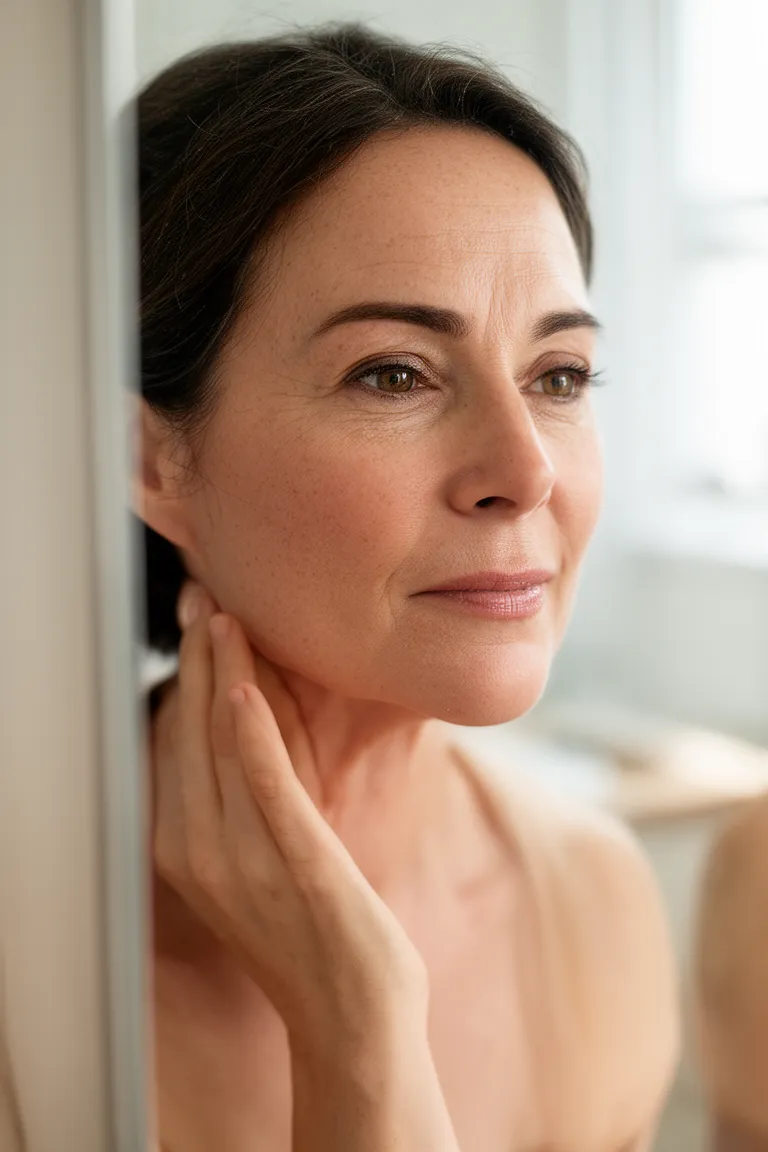
It was a Tuesday morning, and I was trying to take a decent selfie for my sister’s birthday post. The light was perfect, I was smiling, but something was off. I zoomed in. There it was—not a wrinkle, but a subtle, undeniable droop along my jawline. A softness where my cheek used to be more defined. It wasn't in my head. My face, the one I’d cared for with diligent cleansing and SPF for decades, was changing. A quiet panic set in. This wasn't about vanity; it felt like a loss of the face I knew, and I had no idea how to get it back without surrendering to needles or a surgeon’s knife.
I’d already had a minor procedure years ago, and the recovery and expense left me swearing, "Never again." I was determined to age gracefully, but secretly, I wanted to fight a little. I felt stuck between two awful choices: just accept this new sagging skin on my face after 40, or dive back into the world of costly, invasive treatments that scared me. I started scouring the internet, my search history a desperate cry: how to tighten loose skin on face naturally when I don’t want more procedures. Every article either tried to sell me a $300 cream or casually suggested "considering a mini-lift." I felt invisible. Wasn't there anyone else like me?
That feeling of being stuck, of thinking you have to choose between doing nothing or doing something drastic, was my turning point. I refused to believe those were my only options. So, I embarked on a deeply personal experiment, a six-month deep dive into the world of truly natural skin tightening. What I found didn’t just change my skin; it changed my entire approach.
The Moment I Realized My Face Was Changing (And Why I Panicked)
The selfie was just the confirmation I couldn't ignore anymore. The signs had been creeping in for a while, like a slow-motion shift I kept trying to explain away. I’d catch my reflection in a shop window and see a tired version of myself, even after a full night's sleep. My favorite blush started to sit lower on my face, and my concealer would settle into little folds beside my mouth that I swore weren't there last season. But the real gut-punch was feeling like my resting expression was permanently set to "slightly weary." I wasn't weary! I felt vibrant, energetic, and more myself than ever, but my face wasn't telling that story anymore. This disconnect between how I felt inside and what I saw reflected back was the core of my panic. It wasn't about looking 25 again; it was about my external face matching my internal energy.
Understanding the emotional impact of this is everything. We're told to "embrace aging," which is beautiful in theory, but it's okay to want to look like the best, most refreshed version of yourself at every age. The societal pressure to either get work done or silently accept everything can make you feel like you're failing no matter what you choose. I felt that pressure acutely. I wanted natural alternatives to a facelift for women over 40, but all I found were either dismissive platitudes or clinical brochures. Nobody was talking about the messy in-between space where most of us actually live—the space where you love your laugh lines but miss the defined contour of your jaw, where you accept change but still want to feel like you.
Why 'Just Moisturize' Wasn't Enough Anymore (And What I Was Doing Wrong)
For years, my skincare philosophy was simple and effective: cleanse, treat, moisturize, protect. And it served me well… until it didn't. I was layering on hyaluronic acid and the richest creams I could find, wondering why my skin felt hydrated but still looked… loose. It was like trying to plump up a balloon that had lost its elastic. I was treating the symptom (dryness) but completely missing the cause (loss of structural support). This was the frustrating period where I felt like I was wasting money on natural skin tightening products that only sat on the surface, giving a temporary glow but no lasting lift.
My deep dive began with a humbling lesson in basic skin biology. I learned that sagging, or laxity, isn't primarily a moisture issue. It's about the slow, natural depletion of collagen and elastin—the protein scaffolding beneath your skin—and the subtle shifting of the facial fat pads that give our faces youthful volume and contour. Think of it like a mattress: you can add the softest, plushest mattress topper (moisturizer), but if the springs underneath (collagen) are sagging, you still have a problem. No amount of surface-level product can rebuild that infrastructure. I also had to confront my lifestyle. My stress levels were high, my sleep was often sacrificed for work, and my diet, while "healthy," wasn't specifically targeted for skin building. I was doing the general things right but missing the targeted, inside-out support my skin desperately needed now.
My Deep Dive into Natural Skin Tightening: What Actually Works (Beyond the Hype)
Armed with this new understanding, I started filtering through the noise with a critical eye. I became a detective, looking for natural methods with a plausible biological mechanism, not just marketing magic. I sorted through the piles of advice on natural ways to tighten facial skin without surgery and landed on a few key pillars that actually made scientific and intuitive sense.
First, I looked inward—literally. I learned about the building blocks of skin. I started prioritizing high-quality protein in every meal, incorporating collagen-boosting vitamins like C (from berries, bell peppers, citrus) and E, and consciously adding omega-3 rich foods (like salmon, chia seeds, and walnuts) to support the skin's lipid barrier. This wasn't a restrictive diet; it was strategic fuel. I thought of my plate as my first and most powerful skincare product. Next, I approached topical ingredients with new skepticism. I swapped out some of my generic "anti-aging" serums for ones containing peptides (tiny protein fragments that can signal the skin to produce more collagen) and bakuchiol, a plant-based alternative to retinol that’s gentler but still effective at encouraging cell turnover. The goal wasn't to force my skin to change, but to give it the precise tools to help itself.
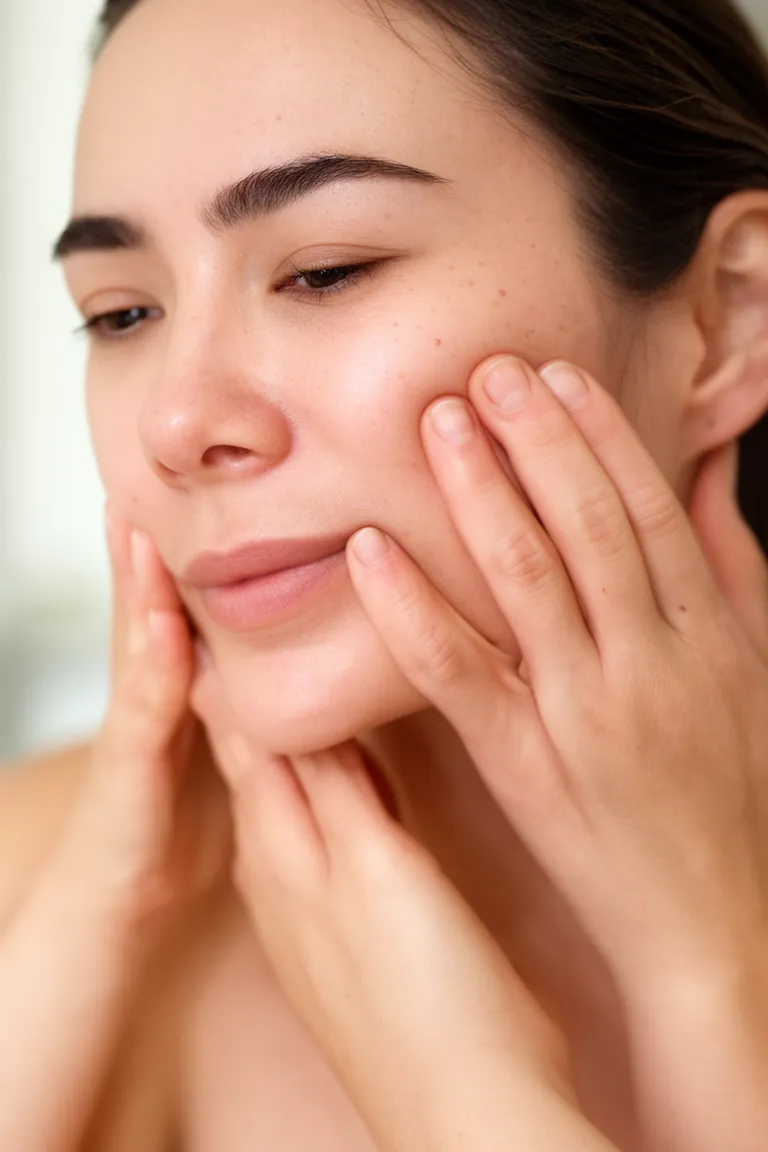
But the biggest "aha" moment came when I stopped fearing facial movement. I’d heard of facial yoga but dismissed it as silly. Desperation led me to try it with an open mind. I started with simple, targeted exercises for my jawline and cheeks, focusing on gentle resistance. More importantly, I learned about Radio frequency energy for non-invasive and minimally invasive skin tightening. This was the game-changer I didn't see coming. My morning puffiness, which I had resigned myself to thinking was just "my face now," started to diminish within days. The massage, I learned, wasn't about aggressively stretching the skin; it was about decongesting the tissue underneath, improving circulation, and allowing my skin to sit on a healthier, less inflamed base. The question does facial massage really tighten loose skin on face became my personal mission, and the answer, for me, was a resounding yes—it defined, sculpted, and refreshed in a way creams alone never could.
The Daily Rituals That Transformed My Skin (Without a Single Needle)
Knowledge is power, but ritual is where you find results. All my research condensed into a simple, non-negotiable daily practice. It’s not a 12-step, hour-long routine; it’s integrated, mindful care that fits into a busy life.
My morning now starts with a 3-minute facial massage. I do it with a clean, slightly damp face, using my knuckles and fingertips in upward, outward motions, focusing on my jawline, cheeks, and under my eyes. It wakes me up, drains overnight fluid, and sets a positive tone for the day. I follow with my targeted serum (peptides or bakuchiol), a good moisturizer, and always, always SPF 50. Sun protection became the ultimate non-negotiable, as I learned it's the single best way to prevent further collagen breakdown—no matter how many natural remedies I tried.
At night, after double-cleansing to truly remove the day, I might do a few gentle facial exercises while watching TV—like pressing my tongue to the roof of my mouth and tilting my head back to engage my neck and jawline. Then it’s serum, a nourishing moisturizer, and a conscious effort to sleep on my back (a lifelong side-sleeper, this is still a work in progress!). The other 50% of this ritual happens far outside the bathroom: diligently drinking my water, managing stress with just five minutes of deep breathing, and fiercely prioritizing sleep. I had to accept that getting firmer skin on face naturally after menopause (or perimenopause, in my case) is a whole-body commitment. You can’t out-supplement a bad night’s sleep or out-massage chronic dehydration.
It’s easy to get overwhelmed by all the information out there. Remember to focus on a few key areas that resonate with you and build from there.
Understanding Your Path: A Realistic Look at Different Approaches
In my research, I saw people getting wildly different results from "natural" methods, and it was confusing. It wasn't until I mapped out the different levels of commitment and focus that it clicked. Not every approach is right for every person or every stage of skin laxity. To help clarify the landscape I navigated, here’s a breakdown of the different pathways I considered.
| Approach | Best For | Realistic Timeline for Noticeable Change | Key Consideration |
|---|---|---|---|
| The Lifestyle Foundation | Anyone starting out or with very early signs. Focus on diet, hydration, sleep, and SPF. | 12–16 weeks | Essential base for any method, but slow-acting on its own for pronounced laxity. |
| Targeted Topicals & Massage | Those seeing mild sagging who want to enhance their routine with direct skin support. | 8–12 weeks | Requires investing in effective ingredient formulas and daily massage consistency. |
| Combined Holistic Protocol | People, like me, with moderate concerns who don’t want procedures. Integrates internal nutrition, targeted topicals, facial exercise, massage, and lifestyle. | 6–10 weeks | This is the synergistic "sweet spot." It demands the most consistency but offers the most comprehensive natural results. |
| Professional-Guided Natural Enhancement | Those with significant laxity or who see no progress after 6 months of diligent holistic effort. | Varies with treatment | May involve consulting an integrative dermatologist for non-invasive tech (like microcurrent) alongside natural methods. |
Seeing it laid out like this helped me understand why my old "just moisturize" method (barely even the first tier) failed. I was aiming for "Combined Holistic Protocol" results with a "Lifestyle Foundation" effort. This framework also validated why some people swear by one thing and others call it useless—we’re often on completely different paths.
Scientific Evidence
The Mindset Shift That Made All the Difference
About three months into my combined holistic protocol, I was still scrutinizing my face in harsh bathroom light for dramatic change and feeling fleeting disheartenment. Then, by accident, I stumbled upon that original "before" selfie. The difference wasn't a shocking, pulled-tight transformation. It was subtle, but profound. My jawline looked more defined, my cheeks had a hint of their former lift, and my overall complexion was brighter, less muddy. The biggest change, however, was in the texture and "light" of my skin. It looked alive again, reflective, not dull. I realized I had been chasing a drastic, procedural-style result, when the true power of the natural path is cumulative, holistic improvement.
This journey taught me to measure success in new, kinder ways: the satisfying feeling of tautness after my morning massage, the healthy glow I’d see after a week of eating clean, the way my foundation glided on smoothly without settling. Letting go of the quest for perfection—for my 30-year-old face—was the final, crucial step. My experience with natural remedies for sagging jowls was about reclaiming agency, not turning back time. It was proof that I could actively influence the process, that my consistent efforts mattered, and that I wasn't powerless against genetics and time. This shift from frustration to empowerment was, in many ways, more valuable than any physical change.
Embracing a holistic approach can lead to profound changes, both inside and out.
What Nobody Tells You About Consistency (And When to Get Help)
Here’s the honest truth the glowing testimonials and quick-fix articles often omit: natural methods require relentless, almost boring consistency. You won't see a difference in a week. It took a solid 8-10 weeks of not missing a single day of my ritual before I could honestly say I saw a tangible change in the mirror, and even then, it was my husband who made the first comment: "You look really rested lately." That was my win. You have to trust the process even when you don't see daily results. This is a marathon, not a sprint, and that’s actually its beauty—it builds sustainable habits for lifelong skin health, not just a temporary fix.
It’s also crucial to know when your efforts might need a professional eye. If you have sudden, significant sagging unrelated to weight loss, or if one side of your face is drooping noticeably, it’s wise to consult a dermatologist or doctor. It could be related to an underlying health condition, extreme sun damage, or simply your unique genetics that would benefit from professional guidance. My path was specifically for mild to moderate laxity and a deep personal desire for non-invasive enhancement. There is no shame in seeking help; the ultimate goal is to find the right tool for your personal journey, whether that’s perfecting a how to restore skin elasticity after 40 or having a informed conversation with a trusted professional about other options. dermatologist recommended anti wrinkle cream.
Reclaiming My Confidence: How My Face Feels Tighter and Brighter Today
I don't have the face I had at 30. And I’m genuinely okay with that. What I have now feels more authentically, resiliently mine. My skin feels denser, more substantial when I touch it—less like tissue paper and more like supple leather. The tired, slightly sad look I saw in that fateful selfie has been replaced with a brighter, more alert reflection. The sagging skin on my face after 40 hasn't vanished, but it has firmed, lifted, and improved in a way I genuinely didn't think was possible without going under the needle.
The confidence I gained didn't just come from my reflection. It came from the knowledge that I navigated this confusing, emotionally charged terrain and carved out a path that felt right and respectful to my body. I took purposeful action instead of wallowing in feeling stuck. I proved to myself that I could understand my body's changing needs and meet them with patience, consistency, and kindness. If you’re in that stuck place, wondering what to do for loose skin on face when I don't want injectables, I want you to know there is a vast, empowering middle ground. It requires work, it requires patience, but it is profoundly rewarding. Your journey might look different than mine, but the first step is simply believing that another way exists, and then being willing to show up for yourself, day after quiet day.
Frequently Asked Questions
Q: How long does it really take to see results from natural skin tightening methods?
A: You need to manage your expectations and embrace patience. With consistent daily practice of a combined approach—targeted skincare, facial massage, and supportive lifestyle habits—most people begin to notice subtle improvements in skin tone, brightness, and reduced puffiness within 4-6 weeks. More significant changes in firmness and contour, like a subtly improved jawline or cheek lift, typically take a minimum of 8-12 weeks of unwavering consistency. This is a long-term lifestyle shift, not a quick fix, and the timeline can vary based on your age, genetics, and how diligently you follow the protocol.
Q: Does facial massage really work, or am I just stretching my skin and causing more wrinkles?
A: When done correctly, it absolutely works, but not by stretching the skin. The primary goals are lymphatic drainage (to reduce fluid retention and puffiness) and stimulating blood circulation. This process brings more oxygen and nutrients to the skin cells while carrying away inflammatory waste products. The result is skin that looks less congested, more sculpted, and sits on a healthier, firmer base. Always use gentle, upward pressure with a facial oil or moisturizer—you should never pull or tug harshly on the skin. Think "drain and nourish," not "pull and stretch."
Q: I’ve tried everything naturally for saggy face skin after 40 and seen no change. What am I missing?
A: This is a common and deeply frustrating experience. Often, the issue is focusing on only one isolated aspect, like buying a new "firming" cream, without a holistic approach. Take an honest audit: Are you getting enough high-quality protein and skin-critical vitamins (C, E, A) in your diet? Are you chronically dehydrated? Is high stress or consistently poor sleep undermining your topical efforts? The most effective natural approach is synergistic. It combines targeted topical ingredients (like peptides), internal nutrition, facial muscle engagement/massage, and foundational lifestyle support. If one pillar is weak, the whole structure can falter.
Q: What should I actually look for in natural skincare products if I want tightening?
A: Move past the vague "firming" or "lifting" marketing claims. Look for specific, evidence-backed ingredients. Prioritize serums or creams that clearly list peptides (like palmitoyl tripeptide or acetyl hexapeptide), bakuchiol, or certain growth factors. Check the ingredient list—these key actives should be listed near the top, not at the very end. Also, ensure your daily routine includes a potent antioxidant (like a stable vitamin C derivative) to protect existing collagen from damage, and a broad-spectrum sunscreen every single day. The sunscreen is non-negotiable; it's the foundation that prevents further sagging.
Q: Are facial exercises safe, or can they actually cause more wrinkles?
A: Gentle, targeted facial exercises are generally safe and can help strengthen the underlying musculature, providing better support for the overlying skin—like a natural internal bra. The key is gentle and controlled. You should never strain, force extreme movements, or repetitively crease the skin. Focus on exercises that engage areas like the cheeks, jawline, and neck without compressing the delicate skin around the eyes. A good rule of thumb is to place a finger lightly on a wrinkle-prone area (like the corner of your eye or forehead) while doing an exercise; if you feel the skin folding deeply under your finger, modify the movement to be more subtle or skip it.
📌 Love this guide? Save it on Pinterest!
Pin Sagging Skin After 40? Natural Face Tightening Secrets You Need in 2026! to your board so you can come back to it later.

