

If you’re a woman in your 40s who has always navigated stress with competence, the sudden, visceral anxiety that can accompany perimenopause feels like a profound betrayal. It’s more than worry; it’s a paralyzing dread that seems to short-circuit your decision-making and sabotage any move toward change. Across recent forum posts and video discussions, a clear, urgent pattern has emerged: capable, driven women report feeling utterly stuck, held back by a new form of anxiety that dismantles plans and erodes self-trust. This isn't a generic midlife crisis—it's a distinct biological transition that hijacks your brain's stress response, making the thought of change feel existentially threatening. Understanding this specific link is the crucial first step to breaking the cycle of paralysis and reclaiming your agency.
Why Perimenopause Anxiety Feels Different From Other Stress
The anxiety that surfaces during this transition has a unique physiological fingerprint, rooted in the hormonal volatility that defines perimenopause. For decades, your brain and body operated on a predictable hormonal rhythm. As you enter perimenopause, the steady production of estrogen begins to fluctuate wildly before declining. This is critical because estrogen is intricately linked to the production and regulation of serotonin, a key neurotransmitter for mood stability and a sense of calm. When estrogen dips unpredictably, serotonin often follows, creating a neurochemical environment primed for anxiety and low mood, fundamentally altering your emotional baseline.
Find calm amidst hormonal changes.

Discover natural strategies to ease anxiety and regain control.
The Hormonal Mechanism: Estrogen, Serotonin, and the Amygdala
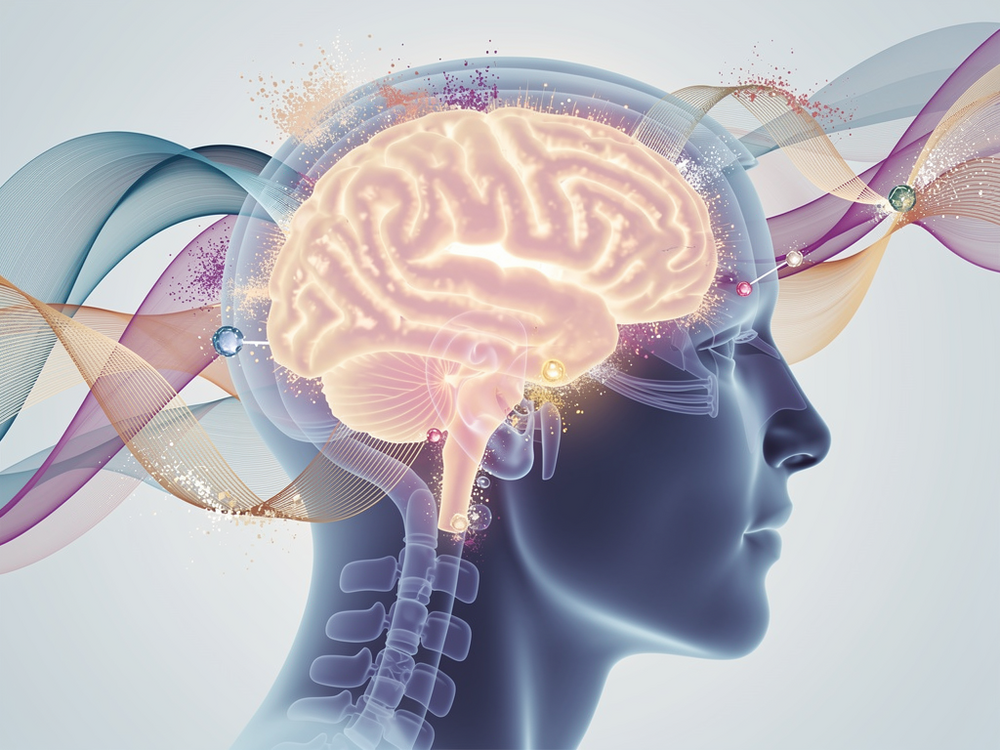
This shift has a direct impact on the brain's fear center, the amygdala. Estrogen typically has a modulating, calming effect on this region. As estrogen levels become erratic, the amygdala can become hypersensitive, essentially stuck in a state of high alert. This means ordinary stressors—a critical email, a minor family tension—can trigger a disproportionate, full-body anxiety response that feels akin to panic. This biological reality explains why the coping skills that served you for years suddenly feel useless; you are now dealing with a fundamentally different, more reactive neurological system.
Why Old Coping Skills Stop Working During Hormonal Transition
The strategies you used to "power through" stress—sheer willpower, compartmentalization, or pushing fatigue aside—often rely on a stable neurochemical foundation. When that foundation is shaken by hormonal fluctuations, these top-down approaches fail. Your brain's alarm system is now wired to go off more easily and loudly, overwhelming cognitive strategies. This mismatch between your tried-and-true methods and your new biological reality can lead to feelings of failure and shame, compounding the anxiety. It’s not that you’ve become weaker; your toolkit simply needs updating for the new terrain.
The Feedback Loop: Physical Symptoms Triggering Anxiety Spikes
This process isn't merely psychological. The physical symptoms of perimenopause directly fuel anxiety. Waking at 3am with a racing heart and drenched in sweat sends powerful danger signals to your already hypersensitive amygdala. This creates a vicious, self-reinforcing cycle: hormonal shifts cause physical symptoms (palpitations, night sweats), which the brain interprets as imminent threat, fueling more anxiety, which in turn can exacerbate the physical sensations. This loop is a core reason why perimenopause anxiety stopping me from quitting job feels so insurmountable; the very experience of anxiety becomes a physical barrier to action.
Hormonal Shifts Triggering Midlife Anxiety Spikes
The defining feature of perimenopause is unpredictability. Unlike the predictable rhythm of a menstrual cycle, hormone levels can swing dramatically from week to week, even hour to hour. This instability means your emotional and physiological set point is constantly moving. You may feel grounded in the morning and be plunged into a state of inexplicable dread by the afternoon. This erosion of predictability and control is a profound anxiety trigger in itself, making it incredibly difficult to plan, commit to decisions, or feel confident about the future. It’s this rollercoaster that fuels the notorious 3am wake-ups with spiraling thoughts, as cortisol rhythms are also disrupted, leaving you exhausted and emotionally raw by dawn, wondering why 3am dread keeps me stuck after 40.
It's important to consider all available options for managing these symptoms. Many women find relief through lifestyle adjustments and targeted support.
The Anxiety-Self-Sabotage Cycle Blocking Change
This hormonally-driven anxiety actively blocks progress, creating a cruel loop for women who are used to achieving goals. You see the problem clearly—a stagnant career, an unfulfilling relationship—and you intellectually know the steps to change. But as you move toward action, the amplified anxiety conjures catastrophic "what if" scenarios, physical symptoms of illness, or a profound paralysis. This is subconscious self-sabotage: your brain's overprotective fear response, now on high alert, shuts down any action perceived as risky, even those that represent positive growth. Women report knowing they need to make a change for years, but every approach triggers an internal shutdown, often repeating in frustrating cycles that reinforce the feeling of being trapped.
Unlock your inner resilience.

Build new coping skills to navigate perimenopause with confidence.
The Self-Sabotage Cycle: How Anxiety Keeps You Stuck in Life
A recognizable pattern takes hold: anxiety leads to avoidance, which leads to stagnation, which then fuels more anxiety about being stuck. You might decide to update your resume or have a difficult conversation. Almost immediately, a wave of anxiety hits, accompanied by convincing excuses ("It's not the right time," "I'll fail") or even a physical symptom like a migraine that forces postponement. This avoidance provides short-term relief from anxiety but guarantees long-term stagnation. For high-achievers, this is particularly confusing and demoralizing, leading to the painful sentiment that over 40 anxiety self sabotage ruining my life. Recognizing this pattern not as a character flaw but as a malfunctioning protective mechanism is key to interrupting it.
Distinguishing Perimenopause Anxiety from Midlife Crisis Narratives
Generic "midlife crisis" advice often focuses on existential boredom or a desire for novelty. Perimenopause anxiety is different. It’s characterized by a sudden, often physical onset of anxiety tied to hormonal fluctuations, frequently accompanied by other symptoms like sleep disruption, menstrual changes, or hot flashes. The "stuck" feeling is less about questioning life's meaning and more about a visceral, often inexplicable fear that blocks concrete action. This distinction matters because the treatment path is different; addressing the biological component is often essential.
Sandwich Generation Pressures Amplifying Paralysis
For many women in this life stage, the internal storm of perimenopause collides with a perfect storm of external pressures. Juggling the emotional and logistical demands of teenage children, caring for aging parents, and maintaining career momentum creates a relentless load of chronic stress. The coping mechanisms that managed this "sandwich generation" squeeze in the past—relentless multitasking, self-sacrifice, neglecting personal needs—are precisely the strategies that collapse under the weight of hormonal anxiety. The entire system becomes overloaded, leading to burnout, existential dread, and a profound feeling of being trapped in a life that no longer fits, with no energy left to change it.
Breaking Free: Evidence-Based Approaches That Work
Escaping this cycle requires a dual approach: addressing the biological volatility of perimenopause and systematically rewiring the anxiety-driven thought and behavior patterns that maintain stagnation. Success lies not in returning to your pre-perimenopause self, but in building new, tailored resilience for this chapter. how to increase libido after quitting porn by fixing sleep and hormones.
Cognitive Behavioral Therapy (CBT) for Anxiety-Driven Stagnation
CBT is a gold-standard, evidence-based therapy for anxiety disorders. It works by helping you identify and challenge the distorted thought patterns ("catastrophizing," "mind-reading") that fuel your anxiety, and the avoidance behaviors that keep you stuck. A therapist can provide structured tools to gradually approach feared situations—like having a career conversation or taking a first step toward a new path—thereby breaking the link between anxiety and paralysis. It offers a practical roadmap out of the mental loops that sustain feeling stuck.
Scientific Evidence
- ✔ Clinical Support: Testosil™ Formula
- ✔ Expert Community: ExcelMale Forum
- ✔ Study: Effectiveness of Cognitive Behavioral Therapy in Managing Physical and Psychological
Building Resilience and Self-Efficacy During Hormonal Transition
This involves consciously developing a new relationship with yourself and your capabilities. Practices like self-compassion, mindfulness, and focusing on small wins can rebuild a sense of self-efficacy that hormonal fluctuations have undermined. Instead of blaming yourself for "failing" to push through, you learn to adapt your pace and expectations, honoring your body's new needs while still moving forward. This rebuilds confidence from the inside out, creating a stability that isn't solely dependent on hormonal balance.
Lifestyle Foundations: Sleep, Exercise, Nutrition, and Stress Regulation
These pillars are non-negotiable, active medicine for a fluctuating nervous system. Prioritizing sleep hygiene is critical for regulating cortisol and reducing 3am anxiety spikes. Regular, moderate exercise like brisk walking or strength training regulates stress hormones and boosts endorphins. A diet focused on balanced blood sugar (adequate protein, healthy fats, complex carbs) can mitigate mood swings driven by hormonal shifts. Daily practices like deep breathing or meditation are not mere relaxation techniques; they are training exercises to calm the amygdala's hypersensitivity. Consistency in these areas creates a more stable foundation from which to tackle larger life changes. primegenix vs testosil comparison for low testosterone.
When and How to Consider Hormone Therapy or Medication
For some women, lifestyle and behavioral interventions alone are insufficient against severe symptoms. Consulting a knowledgeable healthcare provider is essential. Low-dose hormone therapy can directly address the root cause by stabilizing estrogen levels, which often leads to a significant reduction in anxiety for many. Alternatively, certain SSRIs or SNRIs (classes of antidepressants/anxiolytics) are very effective for anxiety and can be particularly helpful during this transition, even for those who never needed them before. The decision is personal and must be made with a professional who understands the perimenopause-anxiety connection. no morning wood at 40 but otherwise healthy should i worry.
| Approach | Best For | Timeline for Noticeable Change | Key Consideration |
|---|---|---|---|
| Lifestyle & Behavioral Foundation | Women with mild to moderate anxiety, or as a first step for anyone. Focuses on sleep, diet, exercise, and stress-management techniques. | 4 to 8 weeks of consistent practice for clear impact on daily mood and resilience. | Requires high personal commitment and consistency. Creates a stable base for any other intervention. |
| Therapy (e.g., CBT) | Those whose anxiety is tightly linked to avoidance patterns and negative thought cycles that block action. | Often 6 to 12 weeks of weekly sessions to develop and practice new cognitive and behavioral skills. | Effectiveness depends on the therapist-client fit and active participation in applying techniques outside sessions. |
| Medication (e.g., SSRIs) | Women with moderate to severe anxiety that significantly impairs daily function, or when therapy/lifestyle isn't enough. | Typically 4 to 8 weeks to feel full therapeutic effects after starting an effective dose. | Requires medical supervision. Side effects are possible but often manageable; finding the right medication/dose can take time. |
| Hormone Therapy (HT) | Women whose anxiety clearly cycles with or is accompanied by other moderate-to-severe perimenopausal symptoms (hot flashes, sleep disruption). | Improvement in anxiety and other vasomotor symptoms can often be seen within a few weeks to months. | Not suitable for everyone. A thorough discussion of personal and family health history (especially breast cancer, blood clots) with a doctor is mandatory. |
It's also worth noting that cultural factors can influence the experience of menopause. A study on menopause in Singapore highlights the sociocultural, clinical, and policy implications Navigating menopause in Singapore: Sociocultural, clinical, and policy implications....
Ultimately, finding the right strategy involves personalized care and attention. Many resources are available to help guide you.
When to Seek Professional Help and What to Expect
Recognizing when self-management is no longer sufficient is a sign of strength, not failure. Red flags include anxiety that consistently interferes with your job performance, damages your relationships, or prevents you from handling basic daily responsibilities. Feelings of persistent hopelessness, major changes in sleep or appetite, or any thoughts of self-harm are clear signals to seek help immediately. Look for providers—whether gynecologists, psychiatrists, or therapists—who explicitly mention experience with perimenopause or midlife women's health. Be prepared for a process; finding the right provider or treatment combination may take a few tries, but significant improvement is a realistic and attainable goal with appropriate support.
Realistic Timelines for Symptom Improvement
Patience is crucial. Lifestyle changes may offer small wins in sleep and daily stress within a few weeks. The benefits of therapy or medication often take 4 to 8 weeks to become clearly noticeable, as they require time to alter brain chemistry and entrenched thought patterns. Hormone therapy might improve some symptoms like sleep and hot flashes within weeks, while its full effect on mood may take longer. Viewing this as a journey of building new habits and neural pathways, rather than seeking a quick fix, leads to more sustainable outcomes.
Reclaiming Agency: Moving From Stuck to Intentional Action
The ultimate goal of managing perimenopause anxiety is to clear the mental fog, creating space for intentional choice. As the constant static of anxiety diminishes, you can reconnect with your core values and discern what changes feel truly meaningful. This might involve a career pivot, establishing new boundaries, or simply rediscovering a sense of pleasure and play. This phase transforms from being about "stuckness" to navigating a deliberate transition with self-awareness. Building a support network of friends, family, or communities who understand this specific challenge provides invaluable validation and encouragement as you move forward, no longer paralyzed but guided by a clearer sense of purpose.
Frequently Asked Questions
A: Perimenopause anxiety often has a distinct physical and cyclical component. Look for its correlation with your menstrual cycle (if you still have periods), its co-occurrence with other symptoms like hot flashes, night sweats, or new sleep disturbances, and a feeling of it being a sudden, visceral shift. A "midlife crisis" is typically more existential—focused on life evaluation and purpose—without these specific, fluctuating physiological markers. If your anxiety feels new, intense, and tied to other bodily changes in your 40s, hormones are likely a significant contributor.
Q: How long does it take to see results from lifestyle changes or therapy?A: Consistency is key. Minor improvements in sleep quality and daily stress resilience can often be felt within a few weeks of dedicated lifestyle changes. The benefits of therapy or medication typically take 4 to 8 weeks to become clearly noticeable, as they require time to build new neural pathways and for medication to reach therapeutic levels in your system. It's a process of gradual accumulation, so patience and persistence are essential.
Q: Is hormone therapy safe for treating perimenopause anxiety?A: For most healthy women under 60 and within 10 years of reaching menopause, the benefits of hormone therapy for debilitating symptoms often outweigh the risks. Modern, body-identical hormones and lower doses have improved the safety profile. However, it is not for everyone. A thorough discussion with your doctor is mandatory, reviewing your personal and family medical history, particularly regarding breast cancer, blood clots, stroke, or heart disease, to make an individualized decision.
Q: What's the biggest mistake women make when trying to deal with this anxiety?A: The most common and damaging mistake is dismissing it as a personal failing—believing you should just "snap out of it" or that your old "power through" methods should still work. This mindset leads to shame, isolation, and inaction. The second mistake is treating it in isolation. Effective management usually requires addressing both the biological/hormonal component and the psychological/behavioral patterns it has created. Ignoring one for the other often leads to incomplete results.
📌 Love this guide? Save it on Pinterest!
Pin Perimenopause Anxiety: Why Women Over 40 Feel Stuck (and Solutions) 2026 to your board so you can come back to it later.

