

Pregnancy and childbirth are incredible feats of the human body, but they can also take a significant toll, especially for women over 40. If you're a new mom in this age group, you might be wondering, "Why do I lose energy so quickly these days?" You're not alone. Many women experience profound fatigue during the postpartum period, and several factors can contribute to this.
Hormonal Havoc After Childbirth
One of the primary reasons for postpartum fatigue is the dramatic shift in hormones. During pregnancy, your body produces high levels of estrogen and progesterone. After childbirth, these hormone levels plummet, leading to a period of adjustment that can leave you feeling exhausted.
Reclaim Your Energy After 40

Support your body's recovery with targeted nutrients and gentle strategies.
- Estrogen: This hormone plays a vital role in energy production. When estrogen levels drop, you may experience fatigue, mood swings, and difficulty concentrating.
- Progesterone: Known for its calming effects, progesterone also decreases significantly after childbirth. This sudden drop can disrupt sleep patterns and contribute to feelings of exhaustion.
- Thyroid Hormones: Pregnancy can sometimes trigger thyroid issues, or exacerbate existing ones. Postpartum thyroiditis, an inflammation of the thyroid gland, can lead to periods of hyperthyroidism (overactive thyroid) followed by hypothyroidism (underactive thyroid), both of which can cause fatigue.
The Demands of New Motherhood
Caring for a newborn is a 24/7 job. The constant demands of feeding, changing diapers, and soothing your baby can quickly drain your energy reserves.
- Sleep Deprivation: Newborns require frequent feedings and attention throughout the night, leading to chronic sleep deprivation for new moms. Lack of sleep can impair cognitive function, weaken the immune system, and exacerbate feelings of fatigue.
- Breastfeeding: While breastfeeding offers numerous benefits for both mom and baby, it also requires a significant amount of energy. Your body is working hard to produce milk, which can leave you feeling depleted.
- Physical Recovery: Childbirth, whether vaginal or cesarean, is a physically demanding process. Your body needs time to heal and recover, and this process can be exhausting.
Nutritional Deficiencies
Pregnancy and breastfeeding can deplete your body of essential nutrients. If you're not replenishing these nutrients through diet or supplementation, you may experience fatigue and other symptoms.
- Iron Deficiency: Iron is crucial for energy production. Blood loss during childbirth can lead to iron deficiency anemia, which can cause fatigue, weakness, and shortness of breath.
- Vitamin D Deficiency: Vitamin D plays a role in energy levels and immune function. Many people are deficient in vitamin D, and pregnancy and breastfeeding can further deplete your stores.
- B Vitamins: B vitamins are essential for energy metabolism. Deficiencies in B vitamins can lead to fatigue, irritability, and difficulty concentrating.
The Impact of Age
Being an older mom can add another layer of complexity to postpartum fatigue. Women over 40 may experience a slower recovery from childbirth and may be more susceptible to hormonal imbalances and nutritional deficiencies.
- Decreased Ovarian Reserve: As women age, their ovarian reserve declines, leading to lower levels of estrogen and progesterone. This can exacerbate hormonal fluctuations after childbirth and contribute to fatigue.
- Increased Risk of Complications: Older moms are at a higher risk of pregnancy complications, such as gestational diabetes and preeclampsia, which can further deplete energy reserves.
- Slower Metabolism: Metabolism tends to slow down with age, which can make it harder to lose weight and regain energy after childbirth.
It's important to remember that every woman's experience is unique, and there is no one-size-fits-all solution to postpartum fatigue. However, by understanding the factors that contribute to this condition, you can take steps to improve your energy levels and well-being. do over the counter testosterone boosters really work for tired men over 40
Strategies for Combating Postpartum Fatigue
While postpartum fatigue is common, it doesn't have to be your new normal. Here are some strategies you can implement to boost your energy levels and feel more like yourself again.
Prioritize Sleep
Easier said than done, right? But even small improvements in your sleep habits can make a big difference.
- Nap When Baby Naps: Resist the urge to catch up on chores or emails when your baby is sleeping. Instead, use this time to rest and recharge.
- Enlist Help: Ask your partner, family members, or friends to help with nighttime feedings or other baby care tasks so you can get more uninterrupted sleep.
- Create a Relaxing Bedtime Routine: Establish a calming bedtime routine to help you wind down before sleep. This could include taking a warm bath, reading a book, or listening to relaxing music.
Optimize Your Nutrition
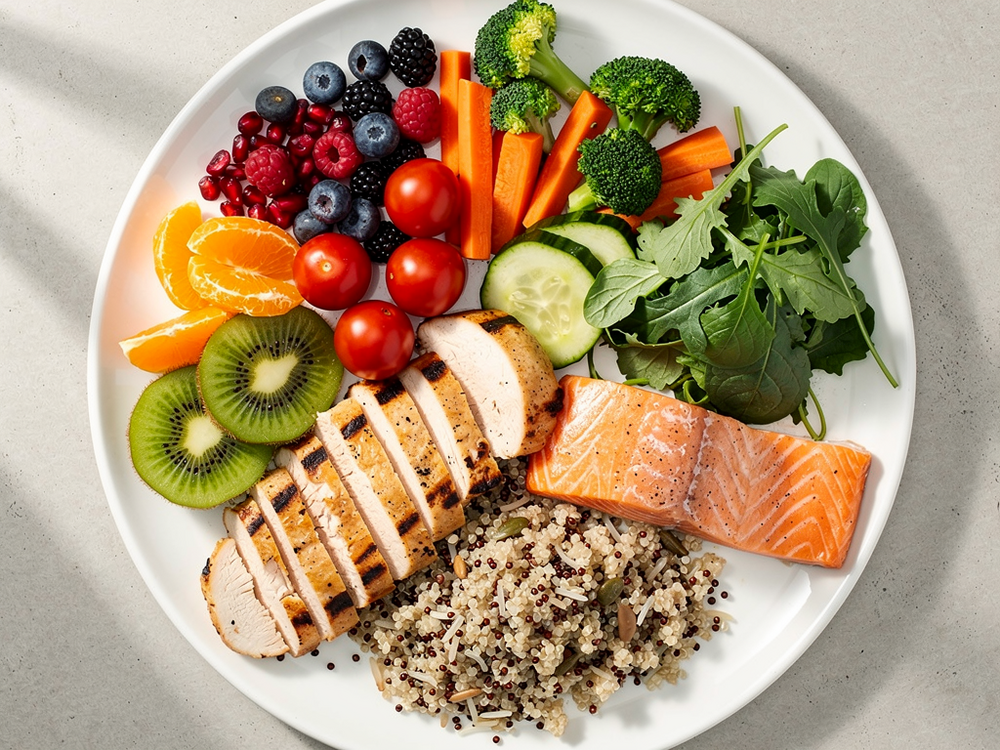
Nourishing your body with nutrient-rich foods is essential for energy production and overall well-being.
Banish Postpartum Fatigue Naturally

Discover simple, effective ways to boost your energy and feel like yourself again.
- Eat a Balanced Diet: Focus on eating a variety of whole foods, including fruits, vegetables, lean protein, and whole grains.
- Stay Hydrated: Dehydration can lead to fatigue. Aim to drink plenty of water throughout the day.
- Consider Supplements: Talk to your doctor about taking a multivitamin or other supplements to address any nutritional deficiencies.
Incorporate Gentle Exercise
While it may be the last thing you feel like doing, gentle exercise can actually boost your energy levels and improve your mood. natural ways to increase blood flow to penis without drugs
- Start Slowly: Begin with short walks or other low-impact activities and gradually increase the intensity and duration as you feel stronger.
- Listen to Your Body: Don't push yourself too hard, especially in the early postpartum period. Rest when you need to.
- Find Activities You Enjoy: Choose activities that you find enjoyable and that fit into your lifestyle. This will make it more likely that you'll stick with them.
Seek Support
Don't be afraid to ask for help from your partner, family, friends, or a professional.
- Talk to Your Doctor: Discuss your fatigue with your doctor to rule out any underlying medical conditions, such as thyroid issues or anemia.
- Join a Support Group: Connecting with other new moms can provide valuable emotional support and practical advice.
- Consider Therapy: If you're struggling with postpartum depression or anxiety, therapy can be a helpful tool for managing your emotions and improving your well-being.
Taking care of yourself is not selfish; it's essential for being the best mom you can be. By prioritizing your physical and mental health, you can navigate the challenges of new motherhood with more energy and resilience.
Small lifestyle changes can make a big difference in your overall well-being. Let's explore some additional strategies that can help you reclaim your vitality.
Manage Stress
Stress can exacerbate fatigue and make it harder to cope with the demands of new motherhood. Find healthy ways to manage stress, such as:
Scientific Evidence
- ✔ Clinical Support: Testosil™ Formula
- ✔ Expert Community: ExcelMale Forum
- ✔ Study: Functional changes in health during and after pregnancy in people with spinal cord
- Deep Breathing Exercises: Practice deep breathing exercises to calm your nervous system and reduce stress.
- Meditation or Mindfulness: Incorporate meditation or mindfulness practices into your daily routine to promote relaxation and reduce anxiety.
- Spending Time in Nature: Spending time outdoors can boost your mood and reduce stress levels.
Prioritize Self-Care
Make time for activities that you enjoy and that help you relax and recharge. This could include:
- Taking a Warm Bath: A warm bath can help soothe sore muscles and promote relaxation.
- Reading a Book: Escape into a good book and take a break from the demands of motherhood.
- Getting a Massage: A massage can help relieve muscle tension and reduce stress.
Consider Professional Help
If your fatigue is severe or persistent, don't hesitate to seek professional help. testosterone booster free trial with money back 2026
- Consult a Lactation Consultant: If you're breastfeeding, a lactation consultant can help you optimize your breastfeeding technique and address any challenges you may be experiencing.
- See a Physical Therapist: A physical therapist can help you recover from childbirth and address any pain or discomfort you may be experiencing.
- Talk to a Mental Health Professional: If you're struggling with postpartum depression or anxiety, a mental health professional can provide support and treatment.
Remember, you don't have to go through this alone. There are many resources available to help you navigate the challenges of new motherhood and reclaim your energy and well-being. A study on women's quality of life after late motherhood highlights the importance of support systems and self-care When hope is broken: A qualitative study of women's quality of life after late....
Here's a sample schedule to help you visualize how to integrate these strategies into your week.
```html
| Day | Morning | Afternoon | Evening |
|---|---|---|---|
| Monday | Gentle walk (30 mins) | Nutritious lunch, nap when baby naps | Warm bath, early bedtime |
| Tuesday | Connect with support group | Healthy snack, read a book | Deep breathing exercises |
| Wednesday | Yoga or stretching | Hydrate, listen to music | Massage or self-care |
| Thursday | Meet friend for coffee | Balanced meal, rest | Relaxing bedtime routine |
| Friday | Light housework | Outdoor time, fresh air | Prepare for weekend rest |
| Saturday | Family time | Relaxation, hobbies | Early night |
| Sunday | Meal prep | Rest and recharge | Plan for the week |
```
Finding the right balance of rest, nutrition, and self-care is key to overcoming postpartum fatigue. Remember to be patient with yourself and celebrate small victories along the way.
Remember that seeking help is a sign of strength, not weakness. There are many resources available to support you on your journey to motherhood.
Frequently Asked Questions
Why am I so much more tired after having a baby at 40 compared to my friends who had babies in their 20s?
Several factors can contribute to increased fatigue after having a baby at 40. These include a natural decline in ovarian reserve, potentially leading to lower hormone levels, a slower metabolism, and a higher risk of pregnancy complications that can deplete energy reserves.
What are some quick energy boosters that are safe while breastfeeding?
Safe energy boosters while breastfeeding include staying hydrated, eating nutrient-rich foods, getting enough sleep (even if it's in short bursts), and engaging in gentle exercise. Avoid sugary drinks and excessive caffeine, as these can negatively impact both you and your baby.
Could my thyroid be the reason I'm experiencing extreme fatigue after pregnancy?
Yes, postpartum thyroiditis, an inflammation of the thyroid gland, can lead to periods of hyperthyroidism (overactive thyroid) followed by hypothyroidism (underactive thyroid), both of which can cause fatigue. It's essential to discuss your symptoms with your doctor to rule out any underlying medical conditions.
What kind of supplements should I consider to combat postpartum fatigue?
Consider talking to your doctor about taking a multivitamin, iron supplements (if you're iron deficient), vitamin D supplements, and B-complex vitamins. These nutrients play a crucial role in energy production and overall well-being.
How long will this extreme fatigue last after giving birth?
The duration of postpartum fatigue varies from woman to woman. While some women start to feel more energetic within a few months, others may experience fatigue for a year or longer. It's important to be patient with yourself and prioritize self-care during this time.
📌 Love this guide? Save it on Pinterest!
Pin New Mom Energy Crisis After 40? 2026 Guide to Postpartum Recovery to your board so you can come back to it later.

