

You’re following the script. You hit the gym consistently, track your macros, and push through workouts that used to leave you feeling invincible. Yet, a deep, unshakeable fatigue has become your new normal, and the drive that once propelled you feels like a ghost. If you’re a man in your 40s watching your disciplined efforts seemingly backfire, you’re part of a growing, frustrated conversation. Across Reddit threads and fitness forums, active, health-conscious men are voicing a specific, confusing reality: the exercise prescription for energy is failing them, leading to whispers and worries about low testosterone. This isn’t about a lack of willpower; it’s about a biological shift that standard fitness advice hasn’t caught up with. Let’s dissect why your hard work might be working against you and map a realistic path forward.
The Invisible Failure: Why Exercise Isn't Boosting Energy
The fundamental contract of fitness—exertion in exchange for vitality—is breaking for a generation of active men in midlife. You log the sessions, expecting the endorphin rush, but are met instead with a heavy exhaustion that lingers, making you wonder why you are so tired after workouts with low T symptoms. This phenomenon, frequently lamented in online communities, points to a critical disconnect. For the 40+ professional, the body’s response to the stress of training is no longer isolated; it’s filtered through a lens of accumulated life stress and hormonal recalibration. The fatigue isn’t a sign you’re doing it wrong, but a signal that the rules of engagement have changed. Your system is interpreting your gym time not as pure stimulus, but as another demand on an already overloaded circuit.
Recharge Your Drive, Reclaim Your Energy
 👉 Explore Natural Solutions
Discover simple strategies to combat fatigue and revitalize your performance.
Biological Mechanism: The Science of Aging Exercise vs Testosterone
To understand this shift, we must look under the hood at the hormonal conversation between exercise, stress, and aging. Intense physical training is a controlled biological stressor. In a recovered, resilient system, it triggers adaptive responses like muscle growth and improved endurance, processes supported by anabolic hormones like testosterone. However, the key regulator is cortisol, the primary stress hormone. Every workout provokes a cortisol release. In youth, with robust recovery, this spike is brief and followed by a healthy testosterone response. As we age, and particularly when under chronic life stress, our hormonal resilience can wane. The problem arises when cortisol levels remain chronically elevated. This sustained high alert directly suppresses the hypothalamic-pituitary-gonadal (HPG) axis—the command center for testosterone production. You enter a vicious cycle: you exercise to improve your physique and energy, but the compounded stress load signals your body to conserve resources, inadvertently downregulating the very hormone essential for recovery, motivation, and muscle maintenance. This is the core biological friction explaining why you might feel sudden fatigue after 40 despite regular exercise.
Recognizing Exerciser Hypogonadism: Signs Your Workouts Are Tanking Testosterone
This specific scenario—where dedicated training contributes to a suboptimal hormonal state—is sometimes called “exerciser hypogonadism.” Its symptoms often differ from generic low-T lists and are missed by professionals not looking for this active-patient profile. The hallmark is fatigue despite regular training. It’s the baffling reality of being exhausted all the time even though you go to the gym at 42. Other key signs include:
- Stalled or Reversing Muscle Growth: Despite consistent lifting, you struggle to add mass or even notice subtle muscle loss. In a cortisol-dominant state, the body favors catabolism (breakdown) over anabolism (building).
- Compromised Recovery: Soreness lasts for days, minor injuries nag, and you feel perpetually "beat up." Your body lacks the hormonal resources to repair itself efficiently.
- Non-Restorative Sleep & Mood Shifts: You might sleep but wake unrefreshed, or experience middle-of-the-night awakenings. Irritability, anxiety, or a loss of enthusiasm for hobbies and training can surface.
- The "Normal" Lab Result Trap: Your blood work may return values within the standard "normal range," but this broad population range often doesn’t reflect the optimal levels needed for an active, high-performing man. The gap between "clinically normal" and "personally functional" is where many feel invisible.
It's crucial to understand the interplay between sleep, testosterone, and cortisol as men age. Sleep, testosterone and cortisol balance, and ageing men.
The Midlife Stress-Exercise Trap: Work, Cortisol, and Hormonal Collapse
Your workout exists within the ecosystem of your life, not outside of it. For the busy professional and parent, that hour of training is layered atop a full day of cognitive deadlines, financial pressures, and family logistics—all potent cortisol triggers. This creates a "dual burden" where training stress and life stress are additive, pushing your neuroendocrine system toward overload. Sleep, the critical period for cortisol clearance and hormonal repair, is often the first casualty. You can be eating clean and lifting heavy, but if you’re chronically sleep-deprived and mentally maxed, you’re trying to fill a bucket with a gaping hole in the bottom. Your physiology doesn’t differentiate between the stress of a quarterly review and the stress of a heavy squat set; it simply tallies the total load. When that sum exceeds your recovery capacity, testosterone production is sacrificed as a non-essential function in what your body perceives as a survival scenario.
Perhaps you're also wondering why I don’t feel like myself anymore.
Optimize Your Healthspan, Starting Today
👉 Explore Natural Solutions
Unlock peak vitality with a personalized approach to fitness and well-being.
Why Common Protocols Stop Working
The training philosophies that delivered results in your 30s can become counterproductive in your 40s. The issue is rarely effort, but recovery capacity. A "more is more" mindset—six days a week, high volume, always training to failure—can easily cross the threshold from productive adaptation into chronic overtraining. Your central nervous system becomes fatigued, joint pain increases, and your hormonal system remains in a persistent state of alarm. Nutrition strategies hyper-focused on protein for muscle may neglect the dietary fats, cholesterol, and micronutrients like zinc, magnesium, and Vitamin D that are foundational for hormone synthesis. The classic bodybuilding split or relentless high-intensity classes may no longer serve your biology, leaving you confused and drained, a sentiment echoed in countless forum posts from men searching for answers about normal tests but low energy despite gym 3x a week.
Could small adjustments make a big difference in your energy levels? Let's explore practical solutions.
Scientific Evidence
The Integrated Path Forward: Adapting Testosterone Support to Active 40s Reality
Rebalancing your system is not about abandoning fitness, but about evolving your approach with a "recovery-first" philosophy. This means viewing recovery not as passive downtime, but as the active, strategic process that enables progress. The goal is to reduce your total allostatic load—the cumulative burden of stress—to signal to your body that it’s safe to invest in growth and vitality again.
Many men also ask, are natural testosterone boosters safe to take long term for men over 40?
Recovery-First Training: Rebuilding Without Abandoning the Gym
Implementing this shift requires concrete, actionable changes to your regimen and mindset.
- Embrace Periodization and Deloads: Plan training in cycles. Every 4-6 weeks, schedule a deload week where you intentionally reduce weight, volume, or frequency by 40-50%. This planned down-regulation is crucial for hormonal and neurological recovery.
- Audit Volume and Intensity: Could you achieve 90% of your results with 20% less weekly volume? Prioritize compound movements, but don’t chase muscular failure in every set or session. Quality over quantity becomes paramount.
- Re-frame Rest and Active Recovery: Schedule and honor full rest days. View activities like walking, light cycling, or mobility work not as wasted gym time, but as performance-enhancing tools that promote circulation and recovery without spiking cortisol.
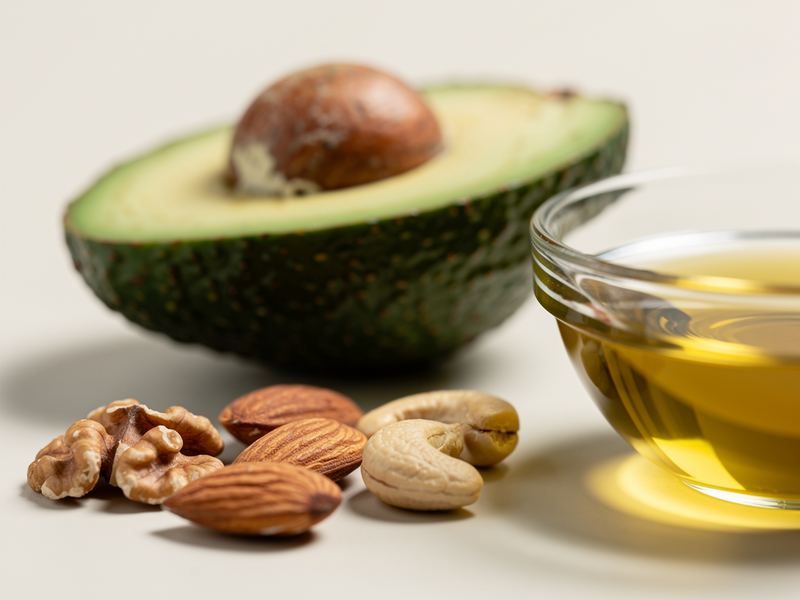
- Nutrition for Hormonal Support: Move beyond just protein. Ensure consistent intake of healthy fats (avocado, olive oil, fatty fish) as cholesterol is the precursor to testosterone. Prioritize magnesium (leafy greens, nuts), zinc (oysters, pumpkin seeds), and Vitamin D. Stabilize blood sugar with regular meals to avoid cortisol spikes.
- Manage Non-Exercise Stress: Develop non-physical stress outlets. Five minutes of diaphragmatic breathing, time in nature, or setting firmer work-life boundaries directly lower your baseline cortisol, making your training stress more manageable.
| Approach | Best For | Timeline | Key Consideration |
|---|---|---|---|
| Lifestyle Optimization | Men with mild symptoms, high stress, and sub-optimal but not clinically low hormones. The first line of defense. | 3-6 months to observe meaningful shifts in energy and well-being. | Requires consistency across sleep, nutrition, training, and stress management. It’s foundational for any other approach. |
| Targeted Supplementation | Those with identified nutrient deficiencies (e.g., Vitamin D, Zinc, Magnesium) or as an adjunct to lifestyle changes after testing. | Weeks to months for correcting deficiencies; not a standalone solution for hormonal dysfunction. | Quality and dosage matter. Should be informed by testing, not guesswork. Supports the body’s natural production pathways. |
| Comprehensive Medical Evaluation | Men with persistent, debilitating symptoms despite 6+ months of diligent lifestyle optimization, or with clearly deficient lab values. | Diagnosis can be relatively quick; treatment effects may be felt in weeks, but fine-tuning takes months. | Involves thorough testing and diagnosis by a qualified professional. Opens doors to monitored therapies like TRT. |
| Testosterone Replacement Therapy (TRT) | Men diagnosed with clinical hypogonadism where lifestyle and other interventions are insufficient. | Noticeable effects often within several weeks to a few months of stable protocol. | A lifelong medical commitment requiring ongoing monitoring by a physician. Not a substitute for foundational health habits. |
When Lifestyle Changes Aren't Enough: Testing and Medical Options
If you have diligently implemented a recovery-first lifestyle for three to six months with little to no improvement in your profound fatigue and low motivation, it is time to seek deeper data. This step is about moving from inference to evidence.
- Seek Comprehensive Biomarker Testing: Don’t settle for a basic testosterone test. A useful panel should include: Total Testosterone, Free Testosterone, Sex Hormone Binding Globulin (SHBG), Estradiol, Cortisol (a four-point saliva test can reveal your daily rhythm), TSH (thyroid), and key nutrients like Vitamin D and B12. This map reveals the full terrain of your hormonal health.
- Consult a Specialist: Take your results to a doctor who specializes in men’s health or hormone optimization, such as an endocrinologist or a urologist with a focus on androgen deficiency. They can interpret your numbers in the context of your symptoms and active lifestyle.
- Understand Medical Pathways: For men with a formal diagnosis of hypogonadism, testosterone replacement therapy (TRT) is a highly effective medical treatment. It involves regular administration of testosterone (via gels, injections, or pellets) under close medical supervision to restore levels to a healthy, physiological range. It is a serious commitment that requires regular blood monitoring to manage potential side effects and ensure safety.
- Set Realistic Expectations: Lifestyle optimization is the non-negotiable bedrock. Medical intervention is not a magic bullet that excuses poor sleep or chronic overtraining. It is a tool to correct a biological deficit, within a framework of healthy habits. This integrated understanding is crucial for any effective low testosterone protocol for busy dads who lift weights.
It's also worth asking, Why do successful men suddenly feel empty?
Let's consider how to proactively manage stress for sustained vitality.
Frequently Asked Questions
Give any new, consistent lifestyle protocol a solid 3 to 6 months of committed execution. Hormonal systems are complex and recalibrate slowly; they don’t change overnight. This period allows you to truly gauge the impact of improved sleep, managed stress, and smarter training. If after this dedicated effort you see no meaningful improvement in energy, sleep quality, or motivation, it is a clear indicator to seek professional testing and medical advice.
Is it safe to start a testosterone protocol on my own based on online advice?No, it is not safe. Testosterone replacement therapy (TRT) is a prescription medical treatment for a diagnosed condition. Self-administering hormones without proper diagnosis, dosage calculation, and ongoing medical monitoring carries significant health risks. These can include worsening of sleep apnea, increased red blood cell count (raising stroke risk), testicular shrinkage, infertility, and estrogen-related side effects like gynecomastia. Always work with a qualified healthcare provider.
I'm busy and can't always get 8 hours of sleep. Are lifestyle changes even worth it?Absolutely. Perfection is not the goal; reduction of your total stress load is. While 7-9 hours of quality sleep is the ideal target, improving your current sleep by even 30-60 minutes, adding two dedicated rest days per month, or managing one major stressor can positively shift your hormonal balance. The integrated path is about stacking small, sustainable wins. Consistent, partial progress is far more powerful than sporadic perfection.
Can I still build muscle if I have low testosterone symptoms?It becomes markedly more difficult. Testosterone is a primary driver of muscle protein synthesis. In a low-testosterone, high-cortisol state, your body is biased toward catabolism (breakdown), actively fighting against muscle growth. You may still gain some strength through neurological improvements in technique and muscle recruitment, but building significant new muscle tissue will be an uphill battle until the underlying hormonal environment is improved.
What's the biggest mistake active men in their 40s make regarding this issue?The most common and counterproductive mistake is doubling down on exercise intensity and volume when they feel tired and stalled, believing they need to "push through" or "work harder." This directly exacerbates the core problem by increasing cortisol output, further suppressing testosterone, and deepening the recovery deficit. The harder but more effective strategy is to have the discipline to pull back, prioritize sleep and nutrition, and understand that in your 40s, the balance shifts: less can often be more, provided that "less" is supported by much "better" recovery.
📌 Love this guide? Save it on Pinterest!
Pin Tired Despite the Gym? Low T and Energy Solutions for Men 40+ ( to your board so you can come back to it later.

