
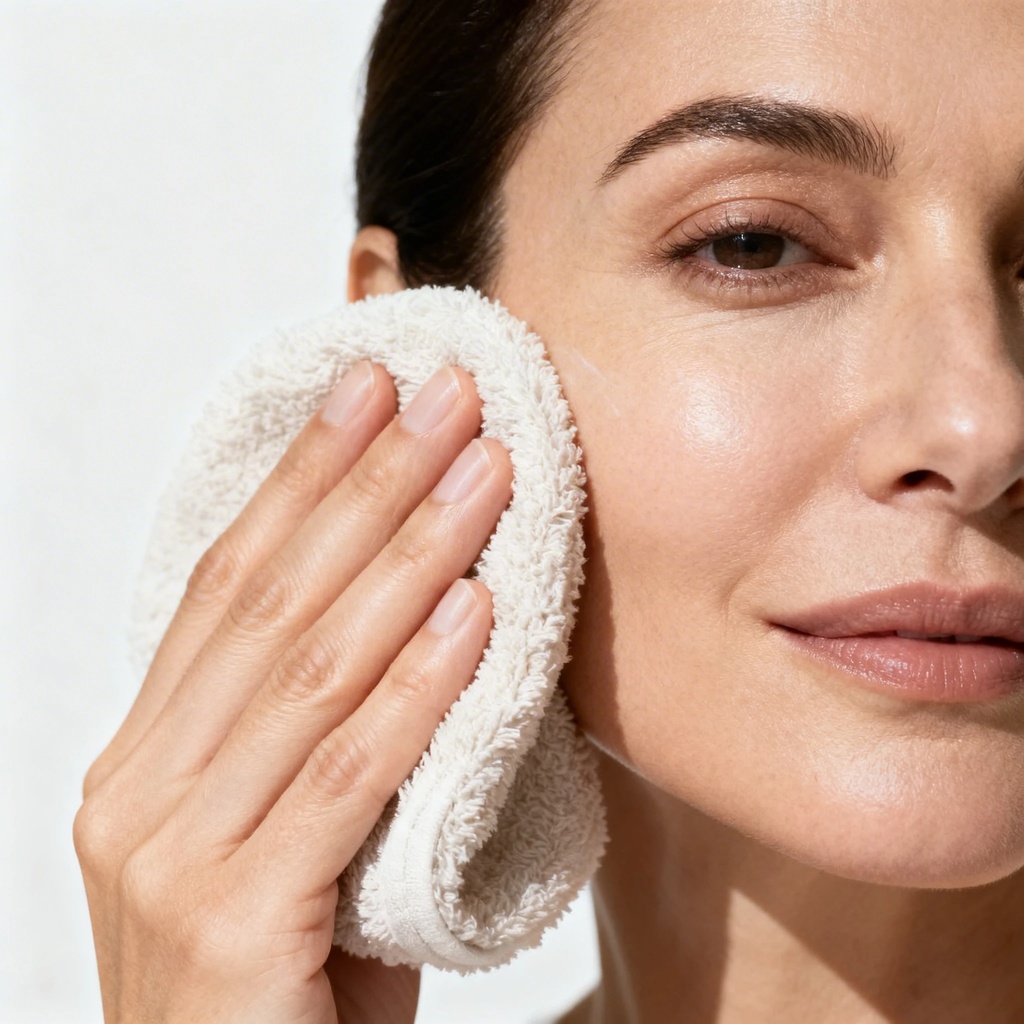
If you’re a woman in your 30s washing your face diligently every morning and night, only to be met with persistent breakouts, you’re far from alone. Across forums like Reddit and Quora, a shared, specific frustration is gaining momentum: a once-effective routine seems to have stopped working. This isn't a failure of your discipline, but a sign that the rules of the game have changed. In your 30s, the simplistic cleanse-treat-moisturize formula often collides with a perfect storm of internal shifts—primarily hormonal fluctuations, a changing skin barrier, and life-stage stressors—that generic advice can't address. This article explains the biological and lifestyle reasons behind the disconnect and maps out a new, integrated path forward designed for the reality of your 30s skin.
The Invisible Failure: Why Washing Face Falls Short
The core frustration for many women is the maddening disconnect between consistent hygiene and stubborn breakouts. You might find yourself asking, "why do I still get pimples when I wash my face twice a day in my 30s?" The answer lies in a fundamental misunderstanding of adult acne’s origin. While teen acne is often linked to clogged pores from excess surface oil and bacteria, adult acne in your 30s is frequently driven by internal factors. Cleansing only addresses the surface, removing dirt, oil, and makeup, but it does nothing to regulate the hormonal signals that are telling your sebaceous glands to go into overdrive or to repair a compromised skin barrier. You can have impeccably clean skin and still experience deep, painful breakouts because the cause is coming from within, making surface-level cleaning an incomplete solution.

Why Your 30s Skin Behaves Differently Than Your Teens
Your skin is not the same organ it was fifteen years ago, and treating it as such is a primary reason for frustration. The biological foundation has shifted in two key, interconnected ways: hormone profiles and skin barrier function. In your 30s, estrogen levels can begin their gradual, fluctuating decline, while androgens (male hormones present in all women) may have a more pronounced relative effect. Simultaneously, your skin’s natural renewal process slows down, leading to a thinner, potentially more sensitive barrier that is less resilient. This is why generic routines fail for adult acne; they often use harsh, drying ingredients suited for oily teen skin, which further compromise your already delicate 30s skin barrier, creating a vicious cycle of damage and breakout.
Hormonal Shifts and Sebum Production in Adulthood
The hormonal landscape of your 30s is complex, influenced by menstrual cycles, stress, and even lifestyle factors like diet and sleep. Unlike the relatively predictable hormonal surges of puberty, adult hormonal fluctuations can be more sporadic but just as impactful. A surge in androgens triggers your sebaceous glands to produce a thicker, more pore-clogging type of sebum. This explains the common pattern of breakouts along the jawline, chin, and lower cheeks—areas rich in hormonal receptors. No amount of surface washing can stop this internal signal; it’s like trying to stop a flood by mopping the floor without turning off the tap.
If you are also feeling run down, read more about why am I always tired and unmotivated.
Skin Barrier Changes and Sensitivity Increases
As cell turnover slows, the outermost layer of your skin, the stratum corneum, doesn’t repair itself as efficiently. This compromised barrier is more susceptible to irritation, dehydration, and inflammation. When you use aggressive cleansers or over-exfoliate in a bid to "clean deep," you strip away essential lipids, weakening this barrier further. The skin then panics, potentially producing even more oil to compensate (a process called reactive seborrhea), while also letting in more irritants that trigger breakouts. This is a classic case of the solution worsening the problem and is a key reason behind a skincare routine not working anymore.
It's time to consider a more holistic approach to skin health. Addressing these changes requires a shift in perspective and routine.
The Hormonal Acne Problem Specific to Women in Their 30s
This type of breakout has its own distinct pattern and triggers, setting it apart from the acne of your youth. It’s often linked to your menstrual cycle, flaring up in the week before your period, and can be deeply inflamed, cystic, and slow to heal. For busy professionals and new moms—the very audience searching for answers—the constant low-grade stress of career demands or new parenthood is a major amplifier. Stress increases cortisol, which in turn can increase oil production and inflammation. So, you might be eating well, drinking water, and washing faithfully, but a high-pressure work project or sleepless nights can directly fuel breakouts, making your external routine feel pointless.
When Washing Twice Daily Actually Worsens Acne
In the quest for clear skin, overwashing is a common and damaging misstep. Cleansing twice a day with a foaming, stripping formula can be catastrophic for 30s skin. It disrupts the skin’s acid mantle and microbiome—the ecosystem of good bacteria that helps protect your skin. An imbalanced microbiome and an impaired barrier are less able to defend against the acne-causing bacteria C. acnes. Therefore, the issue behind a skincare routine not working anymore might not be about the products failing, but about the fundamental act of cleansing itself being too aggressive for your skin’s new, more vulnerable state.
The Skin Barrier-Routine Clash: Why Cleansing Backfires
Many popular skincare protocols are designed for a different skin type and age, operating on the outdated principle of "strip and treat." This approach is ineffective and often harmful for adult hormonal acne. Your routine may have stopped working because your skin has adapted to constant assault by becoming more resilient in unhelpful ways, or because the products are creating new problems like dehydration and irritation that manifest as more breakouts. This clash is at the heart of the confusion expressed in searches like "sudden acne after 30 despite clean routine quora." The "clean" part might be the issue if it’s too harsh, leaving your barrier defenseless.
How Stress Amplifies Inflammation Despite Perfect Washing
Lifestyle factors are the silent saboteurs most topical routines completely ignore, creating a significant content gap in generic advice. Chronic stress doesn’t just increase oil; it promotes systemic inflammation. This means your body is in a constant state of low-grade alert, and your skin, as your largest organ, reflects that. Inflammatory molecules can worsen existing breakouts, make your skin more reactive to even gentle products, and impair healing. Therefore, an effective skin care routine for hormonal acne busy working moms must, by necessity, include stress-management acknowledgment and strategies, not just a new lineup of bottles and serums. The inflammation from a stressful career or new motherhood is an internal fire that no face wash can extinguish.
It's also important to note that Creatine HMB may not be the right choice for everyone.
Life Context Deep-Dive: How Career Stress Sabotages Results
The unique pressures of your 30s—whether climbing the corporate ladder, managing a team, or balancing work with young children—create a physiological environment ripe for breakouts. This life context is almost universally ignored by top-ranking articles that focus solely on topical solutions. Chronic stress elevates cortisol and other stress hormones, which can directly stimulate oil glands and increase skin inflammation. Furthermore, the sleep disruption that often accompanies a high-stakes career or parenthood hinders skin repair and regeneration overnight. You can apply the most scientifically advanced serum, but if you’re chronically stressed and sleep-deprived, you are applying it to skin that is biologically primed to break out. This explains why two women can use the same products with wildly different results. Treatment Modalities for Acne often include approaches beyond basic cleansing.
Why Common Protocols Stop Working
The advice you followed in your 20s—or that you find on generic beauty sites—often relies on frequent exfoliation and strong active ingredients like high-percentage benzoyl peroxide or salicylic acid. While these can help in moderation, used incorrectly they become barriers to healing. Your skin in your 30s likely cannot tolerate daily exfoliation or harsh topical antibiotics. Furthermore, if your acne is primarily hormonal, bacteria-fighting ingredients will only address a secondary symptom, not the root cause. The protocol fails because it’s targeting the wrong enemy with overly aggressive tactics that your skin can no longer withstand. Your skin has adapted, not by becoming clear, but by becoming more sensitive and reactive.
The Integrated Path Forward: Adapting Skin Care to 30s Reality
The solution is not to abandon your routine, but to rebuild it with a dual focus: respecting and repairing your skin barrier while strategically addressing internal triggers. This means shifting from an offensive, stripping strategy to a defensive, supportive, and intelligent one. The goal is to work with your skin’s new biology, not against it.
Scientific Evidence
The following table outlines different strategic approaches to managing 30s acne, highlighting that a one-size-fits-all method is often the source of failure.
| Approach | Best For | Timeline for Visible Change | Key Consideration |
|---|---|---|---|
| Aggressive Over-Cleansing & Drying Actives | Oily teen skin with surface-level clogging. | May show fast drying, but often worsens long-term. | Damages the mature skin barrier, leading to more oil and inflammation. The core reason routines stop working. |
| Gentle, Barrier-Focused Routine | Those with sensitive, reactive skin, or who suspect they’ve damaged their barrier. | 4-6 weeks for reduced redness/irritation; 2-3 months for clarity. | Foundation for all other treatments. If barrier is broken, no active ingredient will work effectively. |
| Targeted Topical Actives + Barrier Support | Mild to moderate hormonal or persistent adult acne with a stable barrier. | 6-8 weeks for initial improvement; 3-4 months for significant results. | Requires patience and consistency. Actives must be introduced slowly and paired with hydration. |
| Professional Medical Treatment | Severe, cystic, or scarring acne; cases unresponsive to 3 months of consistent OTC care. | Varies; some see improvement in 4-8 weeks on prescriptions. | Addresses internal causes (hormones) directly. Requires diagnosis and monitoring by a dermatologist. |
Morning Routine with Targeted Actives
Start your day by supporting your barrier, not stripping it. Often, a simple rinse with lukewarm water is sufficient. If you have noticeable oil, use a gentle, non-foaming, hydrating cleanser. Follow with a hydrating toner or essence to prep the skin. Key actives for daytime include niacinamide (to regulate oil production, reduce redness, and strengthen the barrier) and azelaic acid (to reduce inflammation and kill bacteria without excessive dryness). Always finish with a moisturizer suited to your skin type and a mandatory broad-spectrum sunscreen. UV exposure worsens post-inflammatory hyperpigmentation (the dark marks left after acne), a major concern in slower-healing 30s skin.
Night Routine with Gentle Exfoliation and Barrier Repair
Evening is for removal, treatment, and repair. Use a gentle cleanser to remove sunscreen and pollution. Incorporate a retinoid (like adapalene or prescription tretinoin) two to three nights a week to accelerate cell turnover and prevent clogged pores—start slowly to avoid irritation. On other nights, focus exclusively on barrier repair with ingredients like ceramides, peptides, cholesterol, and fatty acids. A weekly gentle chemical exfoliant (like a low-percentage mandelic or lactic acid) can help with dullness and minor clogs, but it is not a nightly requirement. Listen to your skin; if it feels tight or looks shiny like saran wrap, you’re overdoing it.
It's important to understand why do men lose interest in life after 35 and how it relates to overall wellness.
Realistic Timelines and Managing Expectations
Patience is the most challenging yet non-negotiable part of treating adult acne. Skin cycles take longer in your 30s—closer to 30-40 days versus the 28-day cycle of your youth. You may see initial calming of inflammation and redness in 4-6 weeks, but significant improvement in the number and severity of breakouts, especially from hormonal acne, often takes a full 2-3 months of consistent, gentle care. This extended timeline is precisely why people give up, hopping to a new product and perpetuating the cycle of irritation. Consistency with the right, gentle approach is the true key.
Consider how these strategies can be incorporated into your daily life. Finding the right balance is key to long-term success.
When Your Routine Needs Professional Help
If after 8-12 weeks of a tailored, gentle, and consistent routine your breakouts remain severe, cystic, or are causing scarring, it’s a clear signal to consult a dermatologist. This step acknowledges that some causes of acne are internal and require medical intervention beyond over-the-counter solutions. Seeking help is not a failure of your routine, but a smart escalation of care.
Prescription Options for Persistent Hormonal Acne
A dermatologist can offer tools that target the problem at its source. Topical prescription retinoids (like tretinoin) are more potent and effective than OTC retinol. For confirmed hormonal acne, oral medications can be transformative. Specific types of oral contraceptives can help regulate hormone fluctuations, while anti-androgen drugs (like spironolactone) can block the hormonal trigger at the source. These options address the internal "why" that washing and most topicals cannot reach.
Recognizing the Red Flags
Be alert to signs that indicate the need for professional intervention: deep, painful cysts that don’t come to a head; breakouts that leave permanent indentations or raised scars (textural scarring); a complete lack of improvement after two months of a disciplined, barrier-friendly routine; or if the acne is causing significant emotional distress. A dermatologist can provide a precise diagnosis—distinguishing between hormonal, bacterial, or fungal acne—and craft a combined treatment plan that integrates prescription strength treatments with your supportive home care.
Frequently Asked Questions
A: For adult skin in your 30s, you must commit to a minimum of 6-8 weeks, and often a full 12 weeks (3 months), to accurately judge a new routine’s effectiveness. Skin cell turnover is slower, and hormonal cycles influence breakouts, so you need to observe patterns over time. Jumping between products every week or two will only irritate your skin and prevent any ingredient from demonstrating its benefit.
Q: Is it safe to use retinoids for hormonal acne?A: Yes, topical retinoids (like adapalene, tretinoin, or retinol) are considered a cornerstone of safe and effective treatment for adult acne. They work by promoting healthy, regulated cell turnover to prevent pores from clogging in the first place. The key is to start slowly (2-3 times a week), always use sunscreen during the day, and pair them with a robust moisturizer to manage potential dryness or irritation. For severe hormonal acne, a dermatologist can prescribe stronger versions or combine them with other treatments.
Q: I’m a busy mom with no time for a 10-step routine. What are the absolute essentials?A: A simple, effective routine you actually follow is infinitely better than a complex one you skip. The non-negotiable pillars are: 1) A gentle cleanser (used at night only; morning can be water), 2) A moisturizer suited for your skin type, 3) A broad-spectrum sunscreen for daytime, and 4) One targeted treatment active (like an OTC retinoid or azelaic acid) used at night, 3-4 times a week. Focus on consistency with these four steps.
Q: Could my diet be causing my breakouts even though I wash my face?A: While not the primary cause for everyone, diet can be a contributing inflammatory factor for some individuals. High-glycemic foods (sugary snacks, white bread, pasta) and dairy, particularly skim milk, may influence insulin and hormone levels in a way that can trigger breakouts in susceptible people. Since washing only addresses the skin’s surface, internal triggers like diet can still manifest as acne. Consider keeping a simple food and skin journal for a few weeks to identify any personal patterns.
Q: When should I definitely see a dermatologist instead of trying more products?A: Schedule an appointment if you experience any of the following: deep, painful cystic acne; breakouts that are causing scarring (pits or raised marks); no improvement whatsoever after 8-12 weeks of a consistent, barrier-friendly routine; or if the acne is severely impacting your self-esteem and daily life. A dermatologist can diagnose the specific type of acne and prescribe treatments that target internal causes, offering a path forward when over-the-counter options have been exhausted.
📌 Love this guide? Save it on Pinterest!
Pin 30s Acne SOS: Why Your Routine Fails & What Works 2026 to your board so you can come back to it later.

