
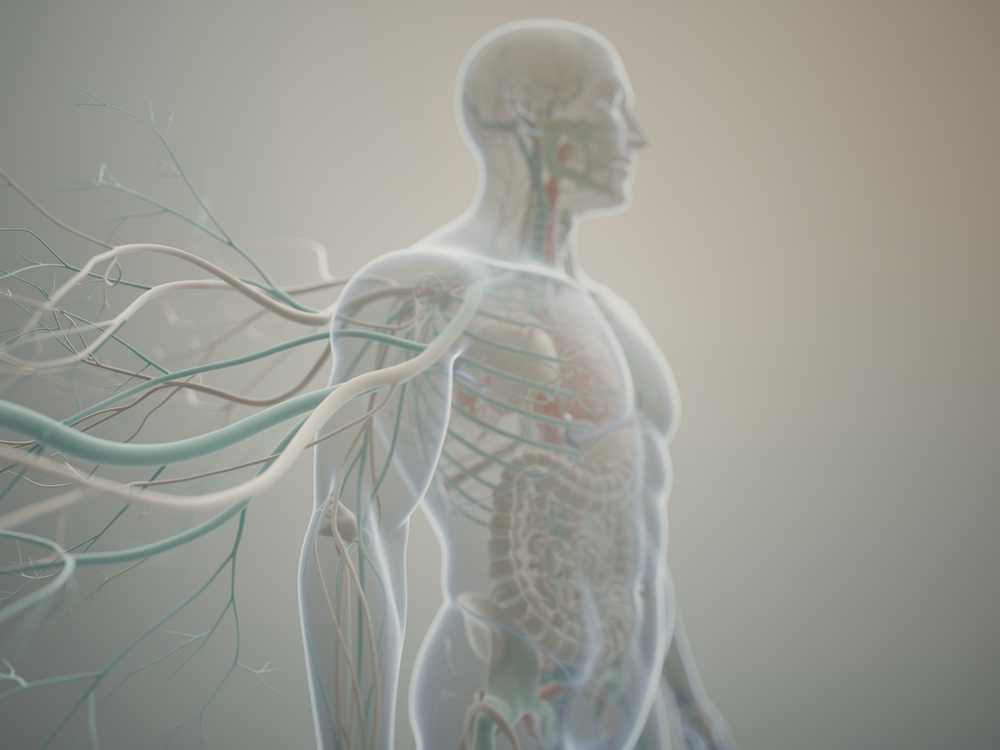
If you’re a professional, caregiver, or anyone in a demanding role who finds themselves utterly drained at the end of the day—despite getting a full night’s sleep—you’re confronting a modern health paradox. The exhaustion isn’t a personal failing or a simple need for more rest; it’s a sign of a deeper biological issue. Your nervous system, the master regulator of your energy and stress response, has become stuck. It’s locked in a persistent state of high alert, interpreting the demands of your workday as continuous threats. This dysregulation is the hidden engine of a fatigue that feels immune to weekends off or extra hours in bed. As workplace stress reaches new heights, the conversation is decisively shifting from generic burnout advice to the essential work of nervous system recalibration—a fundamental reset that sleep alone cannot provide.
Nervous System Dysregulation vs. Sleep Deprivation: Why You're Exhausted Despite Sleeping 8 Hours
The core misunderstanding plaguing countless professionals is the conflation of two distinct conditions: sleep deprivation and nervous system exhaustion. Sleep is a biological process dedicated to cellular repair, memory consolidation, and cognitive refresh. Nervous system regulation, however, is about your body’s overall state of safety and threat. When chronic stress from work—be it constant deadlines, interpersonal friction, or emotional demands—keeps your sympathetic nervous system (the “fight-or-flight” response) perpetually engaged, sleep loses its restorative power. You can log eight hours, but if you spend that time with a body subtly braced for action and a mind subconsciously scanning for danger, you wake up having run a metabolic marathon. This is why you experience nervous system exhaustion after work, not sleep deprivation. The telltale sign is the “tired but wired” feeling: profound fatigue coupled with an inability to relax, unwind, or feel genuinely replenished by downtime.
Reclaim your calm, restore your energy.
 👉 Explore Natural Solutions
Discover simple strategies to reset your nervous system daily.
The Neurobiology of Post-Work Exhaustion: Why Your Body Stays On Guard
To move past frustration and into effective recovery, you need to understand the mechanism. Chronic workplace stress doesn’t just create a bad mood; it actively rewires your nervous system’s operating system, making a state of alertness your new, exhausting normal.
Persistent Fight-or-Flight State
Your autonomic nervous system operates like a car with two pedals: the sympathetic nervous system is the accelerator (for action, focus, and stress response), and the parasympathetic nervous system is the brake (for rest, digestion, and repair). In a healthy, resilient system, you smoothly transition between the two. Under the unrelenting pressure of modern work, the accelerator can get stuck to the floor. Your brain’s alarm center, the amygdala, becomes hypersensitive, perceiving a looming deadline, a terse email, or a packed calendar as genuine threats. This triggers a cascade of stress hormones like cortisol and adrenaline, keeping your heart rate elevated, your muscles subtly tense, and your digestion on hold. Over time, the brake system becomes less responsive. You literally forget how to downshift.
The Specific Role of Emotional Labor
Cognitive overload is taxing, but research suggests a more profound drain comes from emotional labor, particularly “surface acting.” This is the work of displaying an emotion you do not genuinely feel—projecting calm during a crisis, feigning enthusiasm in a meeting, or offering a patient smile to a difficult client. This performance creates an internal conflict your brain registers as a threat, activating the stress response. Jobs high in this requirement—healthcare, teaching, customer service, caregiving, and leadership—often lead to a specific, deep depletion known as compassion fatigue. It answers the poignant question, “why does emotional labor drain me more than physical work?” The answer lies in the sustained neurological effort of maintaining an incongruent state, forcing your system into constant vigilance.
Why Sleep Fails to Reset This Cycle
While sleep is non-negotiable for health, it is not a magic reset button for a dysregulated nervous system. If you go to bed with your threat response activated, the quality of your sleep suffers. You may spend less time in the deep, restorative stages. Crucially, waking up and immediately confronting—or even anticipating—the same stressful environment can re-engage the stress response within minutes. This effectively nullifies any reset sleep attempted to provide, trapping you in a loop. This is the neurobiological basis for post work exhaustion despite good sleep; the underlying engine of alertness is never shut off, making rest an incomplete solution.
For related insights, see articles on low testosterone but doctor says it is normal what can men over 40 do naturally.
It's important to recognize the impact of workload on physical and mental well-being. Let's explore some practical strategies for supporting nervous system regulation.
Signs Your Nervous System Is Stuck, Not Just Your Body Tired
Recognizing the specific symptoms of dysregulation reframes the problem from a character flaw (“I’m lazy”) to a biological state (“My system needs recalibration”). This distinction is empowering and directs you toward the right solutions.
Beat burnout, rebuild resilience.
👉 Explore Natural Solutions
Learn how to support your nervous system for sustained well-being.
- Physical Symptoms: A constant, low-grade tension in the shoulders, neck, or jaw. Unexplained digestive issues, feeling easily startled or jumpy, a heart that races with minor stressors, or a susceptibility to frequent illnesses and inflammation.
- Emotional & Cognitive Signs: Persistent irritability, emotional numbness or flatness, a sense of dread about work that contaminates your weekends, pervasive cynicism, brain fog, and an inability to focus on or enjoy non-work activities like reading or conversation.
- Behavioral Cues: Using your time off to completely collapse through doom-scrolling or isolation rather than engage in life. Abandoning hobbies, relying on substances like alcohol to artificially induce relaxation, or feeling anxious and guilty during periods of actual quiet.
Recovery Timelines: Why 'Just Take a Vacation' Doesn't Work for Nervous System Exhaustion
This is where most generic advice falls short. A one- or two-week vacation is often insufficient to recalibrate a system conditioned over months or years of stress. You might spend the first half just decompressing from accumulated tension, leaving little time for genuine restoration before returning to the environment that caused the dysregulation. True nervous system recovery is a phased process, measured in months, not weeks. Understanding this timeline manages expectations and prevents the discouragement that comes from expecting a quick fix.
The journey typically involves two distinct phases:
The Stabilization Phase
The initial goal is not to feel fantastic but to stop the bleeding. This phase is about creating safety and teaching your body to down-regulate. It involves strict boundaries (e.g., no work communication after a set hour), impeccable sleep hygiene, and the diligent use of micro-restoration breaks during work to prevent daily overload. Techniques like deep, paced breathing or gentle, mindful movement are used not to achieve bliss, but to actively stimulate the parasympathetic “brake” and signal safety. The focus is on reducing new stress inputs and establishing a foundation of calm.
The Capacity-Building Phase
Only once your nervous system feels stable and safe can you begin to carefully expand its tolerance. This is where traditional “wellness” activities—more vigorous exercise, complex social plans, or ambitious personal projects—can be thoughtfully reintroduced. If introduced too early, these can be perceived as additional threats, causing a setback. This phase is about slowly rebuilding your resilience, increasing the amount of stress you can handle without tipping back into dysregulation.
| Approach | Best For | Timeline | Key Consideration |
|---|---|---|---|
| Lifestyle & Behavioral Reset | Early signs of dysregulation, high-functioning individuals with schedule control. | 3-6 months for noticeable recalibration | Requires high consistency and discipline; progress can be slow but builds foundational resilience. |
| Guided Somatic or Polyvagal Therapy | Deeper dysregulation, history of trauma, or when self-guided efforts stall. | 6 months to 1+ years for integration | Involves working with a trained professional to safely process stress patterns stored in the body. |
| Combined Protocol (Therapy + Lifestyle) | Significant burnout, compassion fatigue, or exhaustion resistant to other changes. | Ongoing management with improvement in 2-3 months | Most comprehensive approach; addresses both the physiological roots and daily habits simultaneously. |
| Medical Evaluation & Support | When exhaustion is accompanied by severe physical symptoms (e.g., diagnosed adrenal issues, hormone imbalance) or clinical depression. | Varies based on diagnosis and treatment plan | Essential to rule out or co-manage underlying medical conditions that mimic or exacerbate nervous system exhaustion. |
The importance of rest periods in demanding professions is increasingly recognized. Workload Intensity and Rest Periods in Professional Ballet: Connotations for Injury.
Scientific Evidence
The 42% Rule and Micro-Restoration: Why Continuous Work Without Built-In Recovery Breaks Down Your Capacity
The outdated model of “power through, then crash on the weekend” is biologically incompatible with a healthy nervous system. It treats your capacity like a battery that can be fully drained and then recharged in one long session. Your nervous system, however, is more like a muscle that requires rhythmic contraction and relaxation to stay healthy. Emerging frameworks in recovery science suggest that to maintain resilience, a significant portion of your waking, non-work time—conceptually approaching half—needs to be dedicated to genuine restoration activities. This “42% rule” is a conceptual reminder of the need for substantial, intentional downtime, not a strict time-logging exercise.
The practical application of this principle is micro-restoration: brief, deliberate acts that cue safety to your nervous system during the workday itself. These are not coffee or social media breaks, which often stimulate the mind further. They are intentional “brake” activators designed to prevent stress from accumulating to a debilitating level.
- Physiological Sighs: Popularized by breathing experts, this involves two quick inhales through the nose to fully inflate the lungs, followed by a long, slow exhale through the mouth. Doing this 2-3 times can rapidly lower heart rate and induce calm.
- Sensory Grounding (The 5-4-3-2-1 Method): Take 60 seconds to consciously identify: 5 things you can see, 4 things you can feel (your feet on the floor, the texture of your shirt), 3 things you can hear, 2 things you can smell, and 1 thing you can taste. This powerfully pulls your awareness into the present and out of anxious thought loops.
- Brief Nature Connection: If possible, step outside for just five minutes. Feel the sun or wind on your skin. Look at the horizon or the non-linear movement of leaves. This provides a sensory contrast to the artificial, task-oriented indoor environment.
Integrating a few of these micro-restoration breaks during work prevent burnout by providing your system with much-needed “mini-resets,” making the transition out of work far less jarring.
Readers may also be interested in testosil vs testodren which is better for men over 40.
It's crucial to prioritize these techniques for sustained well-being. Let's consider how to build a personalized reset protocol.
Creating a Sustainable Personal Reset Protocol
Knowledge is only useful when applied. Moving from understanding to recovery requires a personalized, consistent plan. Start small—ambition is often a form of stress.
- Conduct a Drain Audit: For one week, simply notice. Jot down what specific tasks, interactions, or times of day trigger the deepest sigh, the tightest shoulders, or the most intense urge to disengage. Is it video calls? Certain types of decisions? The post-lunch slump? Awareness is the first step to intervention.
- Schedule Your Micro-Breaks Proactively: Don’t wait until you’re overwhelmed. Place three 5-minute blocks in your calendar as non-negotiable appointments. Use them for one of the micro-restoration techniques above.
- Design a Shutdown Ritual: Create a consistent 10-15 minute routine to end your formal workday. This acts as a psychological and physiological buffer. It could include tidying your physical or digital workspace, writing down tomorrow’s top three priorities, a few gentle stretches, and making a cup of tea while consciously breathing. This ritual contains work stress and signals to your nervous system that it’s time to transition.
- Curate True Restoration: Be intentional about what rest means for you. Passive consumption (TV, scrolling) often isn’t deeply restorative. Actively incorporate activities that bring a sense of peace, presence, or effortless joy—a walk without a podcast, time with a pet, cooking a simple meal, or doodling.
When to Seek Professional Help
While self-management strategies are powerful, professional support is not a sign of weakness but of wisdom. Consider seeking a therapist, counselor, or coach trained in nervous system approaches (such as somatic experiencing or polyvagal theory) if:
- Your exhaustion is coupled with persistent feelings of hopelessness, deep depression, or worthlessness.
- You experience thoughts of self-harm.
- Physical symptoms like severe insomnia, debilitating digestive issues, or chronic pain are disrupting your life.
- You have a history of trauma that feels activated by stress.
- You’ve diligently practiced self-guided techniques for several months without meaningful improvement.
A professional provides a safe container for deeper exploration, can help process underlying emotional patterns, and offers tailored guidance for your unique nervous system reset after work.
For more information, see testosterone booster not working sleep deprivation cortisol.
Frequently Asked Questions

A: There is no universal timeline, as it depends on the depth and duration of your stress. However, it’s realistic to think in terms of months, not weeks. With consistent daily practice, you may notice initial signs of stabilization—like slightly easier relaxation or improved sleep—within 4 to 6 weeks. However, meaningful nervous system recovery phases that rebuild durable capacity and resilience often require 3 to 6 months of dedicated attention. The system needs time to unlearn old threat patterns and establish new, safer neural pathways.
Q: Is this approach safe for everyone?A: The core principles of nervous system care—mindful breathing, setting boundaries, prioritizing rest—are universally beneficial. However, if you have a history of significant trauma, severe anxiety, or panic disorders, some body-based (somatic) exercises can initially feel intense or triggering. It is always wise to proceed gently, with self-compassion, and to consider seeking guidance from a trauma-informed professional. They can help you navigate the nervous system reset after work dysregulation symptoms safely and effectively.
Q: I have a demanding, inflexible job. How can I possibly implement the 42% rule?A: View the “42% rule” as a philosophical north star, not a rigid metric. The goal is to maximize the quality and intentionality of your restoration within the constraints you have. Start by ruthlessly protecting whatever non-work time exists. Optimize your commute for calm (listen to music or an audiobook, not news). Use micro-restoration breaks during work strategically, even if it’s 60 seconds of mindful breathing in a stairwell. Most importantly, ensure your evenings and weekends contain activities that genuinely replenish you, not just more obligatory tasks or high-stimulation entertainment.
Q: What’s the biggest mistake people make when trying to recover from this kind of exhaustion?A: Two common pitfalls stand out. First, using vacation time for high-stimulation, logistically complex travel or social marathons, mistaking activity for restoration. For a frazzled nervous system, this often adds more stress. Second, abandoning techniques like meditation or paced breathing because they don’t induce immediate tranquility. These are skills that strengthen with practice. In the early stages, the goal isn’t to empty your mind, but to consistently signal safety to your body—a process that requires repetition to rebuild trust.
Q: Can exercise help, or does it make nervous system exhaustion worse?A: The answer depends entirely on the type of exercise and your current phase of recovery. During the initial stabilization phase, intense, long-duration, or competitive workouts can be perceived by a stressed system as another threat, worsening fatigue. The focus should be on gentle, rhythmic, and mindful movement like walking, stretching, tai chi, or restorative yoga—activities that emphasize regulation. As you move into the capacity-building phase and feel more stable, you can gradually and mindfully reintroduce more vigorous exercise, paying close attention to how your energy and mood respond in the 24 hours afterward.
📌 Love this guide? Save it on Pinterest!
Pin Nervous System Reset: End Post-Work Exhaustion in 2026, Sleep Isn't Enough to your board so you can come back to it later.

