

If you’re a man in your 40s or 50s who prides himself on staying fit and eating right, a sudden drop in libido can be deeply frustrating and confusing. You’re following the standard playbook—hitting the gym, eating clean—yet the results you expect, a healthy sex drive to match your healthy lifestyle, aren’t showing up. You’re not alone. A growing conversation in men’s health circles reveals that fit, active men are finding the usual diet and exercise advice falls short. The reality is that after 40, a complex interplay of hidden, often overlooked factors can sabotage your drive. This article digs into those specific reasons and provides a clear, actionable roadmap to get back on track, addressing the questions generic content ignores.
Hidden Reasons Fit Men Lose Libido After 40
The frustration of seeing no libido after 40 despite healthy habits is a common but rarely discussed experience. For the active man, the culprit is often not a lack of effort, but an imbalance in the very systems your healthy lifestyle is meant to support. Your body operates under a new set of rules after 40, governed by hormonal shifts, a reduced capacity for recovery, and a heightened neurological sensitivity to stress that weren't as prominent in your 30s. Libido isn't a simple metric of fitness; it's the end result of a delicate hormonal orchestra where sleep, mental load, and training intensity are the conductors. Recognizing that your disciplined efforts in the gym and kitchen are only part of the equation is the first step to moving beyond confusion.

Hormonal Shifts Exercise Can't Fully Fix
While regular exercise supports overall health and can positively influence testosterone, it cannot single-handedly overcome the natural hormonal recalibration that begins in your 40s. More critically, clinical summaries highlight that sleep disruption and chronic stress can directly suppress testosterone production, even in highly active men. This creates a paradox where the very activity meant to help is undermined by poor recovery. Your endocrine system becomes more sensitive to factors like inflammation, circadian rhythm, and stress hormones, meaning the margin for error is much smaller. Testosterone and behavior are closely linked, and lifestyle factors can have a significant impact.
The Testosterone and Cortisol Seesaw
Testosterone and cortisol exist in a delicate, inverse relationship. Cortisol, your primary stress hormone, is essential for acute challenges, but when elevated chronically—from work pressure, family demands, or intense training—it can directly inhibit testosterone synthesis. You can be in phenomenal shape, but if your stress system is constantly engaged, your libido-paying hormones lose the battle. This imbalance is a core reason why workouts aren't boosting your drive anymore.
The Decline of Hormonal Precursors
Beyond testosterone, other key hormones like DHEA (dehydroepiandrosterone), a precursor to both testosterone and estrogen, naturally decline with age. No amount of bench pressing or squatting directly stimulates DHEA production. This broader hormonal landscape requires a more nuanced strategy focused on foundational health rather than just lifting heavier weights.
It's worth considering how daily habits might be affecting your overall vitality.
Stress and Sleep Crashing Drive in Busy Dads
For the active but exhausted dad, life transitions add a massive layer of complexity. It’s a scenario echoed in countless queries from men wondering if it’s normal to have low drive in their 40s with family stress. This isn't just psychological; it's a physiological reality. The constant mental load, financial pressures, and sleep fragmentation from young children or teenage worries keep your nervous system in a perpetual state of "high alert." This state, governed by the sympathetic nervous system, prioritizes survival over reproduction, systematically dialing down sexual desire. Feeling "touched out" and mentally drained isn't a character flaw—it's a direct signal that your body’s resources are allocated elsewhere. Your libido gone after becoming a dad over 40 is a symptom of this systemic overload.
Why Diet and Workouts Fail for Libido
This is the core frustration: "I eat clean and train hard, so why am I not seeing results?" The failure pattern often points to two major blind spots in an otherwise healthy regimen. First, overtraining or chronic high-intensity exercise without adequate recovery elevates cortisol and creates systemic inflammation, damaging the hormonal pathways you're trying to boost. Second, a "clean" diet might still lack specific nutrients crucial for hormone production—like zinc, magnesium, and healthy fats—or might be too restrictive in calories. A sustained calorie deficit signals to your body that it's not a safe time for reproduction, shutting down non-essential functions like libido. Your workouts and diet aren't failing; they may be improperly calibrated for your current life stage, where recovery is as important as exertion.
Consider how The modern habits quietly lowering male vitality may also be playing a role.
A Realistic Roadmap to Reclaim Your Drive
For the man tired of failed workouts and generic advice, a targeted, evidence-based protocol is needed. This isn't about doing more; it's about doing differently. The following strategies address the content gap left by basic diet and exercise lists, focusing on the recovery and hormonal support that fit men over 40 specifically need.
Stress Reduction and Sleep Protocols That Work
Since basic advice falls short, the solution lies in non-negotiable recovery protocols. Sleep hygiene and mindfulness are active tools for hormone regulation, not wellness buzzwords. Prioritizing 7-8 hours of quality, uninterrupted sleep is the most powerful natural libido boost after 40. This means creating an environment conducive to deep sleep: blackout curtains, a cool room temperature (around 65°F), and a strict digital curfew at least 60 minutes before bed. For stress, passive scrolling doesn't count as recovery. Incorporate deliberate practices like 10-15 minutes of daily mindfulness meditation, diaphragmatic breathing (4-7-8 technique), or leisurely walks in nature. These activities directly lower cortisol and signal "safety" to your nervous system, a prerequisite for healthy sexual function.
It's also worth exploring Why some men stop initiating intimacy in long-term relationships.
Scientific Evidence
Optimizing Training for Hormone Support
It's time to reassess your fitness philosophy for hormone health, where more is not always better. Consider shifting focus from chronic high-intensity workouts to a balanced approach:
- Strength Training: Maintain heavy compound lifts (squats, deadlifts, presses) but prioritize form and control over maxing out. Ensure 2-3 minutes of rest between sets for full recovery.
- Cardio Intelligence: Swap some long, grueling cardio sessions for Low-Intensity Steady-State (LISS) activities like brisk walking, cycling, or swimming. This improves cardiovascular health without spiking cortisol.
- Mandatory Recovery: Schedule at least 1-2 full rest days per week and plan a deload week (reducing volume or intensity by 40-50%) every 4-8 weeks. Persistent fatigue, irritability, and insomnia are signs your training is becoming counterproductive.
Nutrition Tweaks Beyond "Eating Clean"
Move beyond just eating clean and focus on eating for hormone production. Think of food as the raw material for your endocrine system.
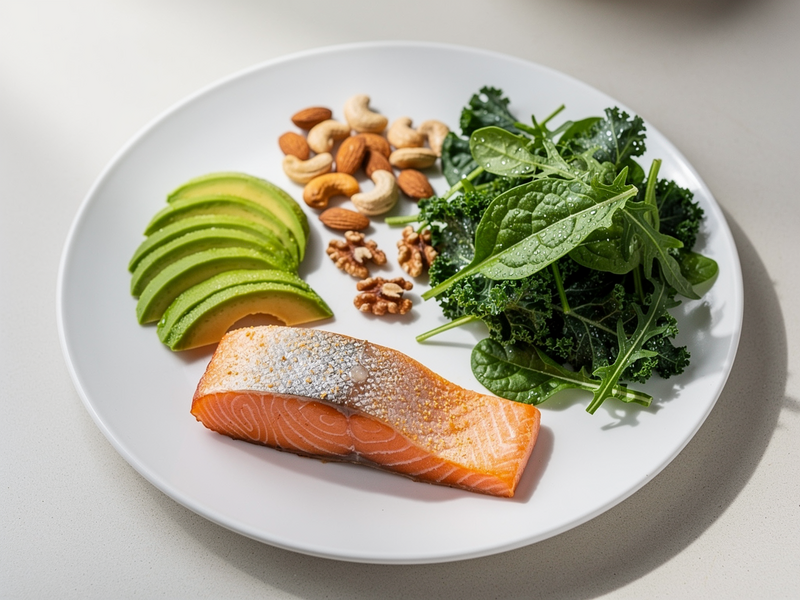
- Healthy Fats are Fundamental: Cholesterol is the building block for sex hormones. Prioritize avocados, olive oil, fatty fish (salmon, mackerel), eggs, and nuts.
- Micronutrient Prioritization: Ensure ample intake of magnesium (leafy greens, pumpkin seeds, almonds) and zinc (oysters, beef, lentils), which are critical co-factors in testosterone synthesis.
- Avoid Energy Deficit: Unless actively losing weight for health reasons, avoid drastic, sustained calorie deficits. Sufficient energy availability tells your body it's safe for reproductive functions.
It's important to remember that consistent habits yield the best results.
Comparing Pathways to Regain Libido
Understanding your options can help set realistic expectations. The table below outlines different approaches based on your specific situation and goals.
| Approach | Best For | Timeline for Noticeable Change | Key Consideration |
|---|---|---|---|
| Lifestyle Optimization | Men whose low libido is primarily linked to recoverable lifestyle factors (poor sleep, high stress, overtraining). | 3 to 6 months | Requires high consistency and patience. Addresses root causes but progress can be gradual. |
| Targeted Natural Support | Those with good foundational habits who may have specific micronutrient gaps or need additional adaptogenic support for stress. | 1 to 3 months | Supplements (like ashwagandha, zinc, vitamin D) should complement, not replace, lifestyle. Quality and dosing vary. |
| Combined Lifestyle & Medical Evaluation | Men who have implemented lifestyle changes for 6+ months with no improvement, or who have red-flag symptoms (no morning erection, severe fatigue). | Varies (lifestyle + treatment adjustment) | Involves consulting a doctor for blood tests to rule out clinical hypogonadism, thyroid issues, or sleep apnea. |
Small adjustments to your daily routine can make a big difference.
You might also find value in understanding the link between shift work fatigue low testosterone how to fix circadian rhythm.
When to Consult a Specialist
If you've diligently addressed sleep, stress, training, and nutrition for 3-6 months with no meaningful improvement, it's time to seek professional help. This is a sign of taking control, not giving up. Red flags that warrant a prompt visit to a urologist or endocrinologist include a complete loss of libido, erectile dysfunction that doesn't improve with stimulation, persistent unexplained fatigue, feelings of depression, or loss of muscle mass despite continued training. A comprehensive blood test can check testosterone (including free testosterone), thyroid hormones, prolactin, and other markers. This can rule out underlying conditions like hypogonadism, sleep apnea, or metabolic issues. A specialist can help interpret these results in the context of your active lifestyle and guide a safe, effective plan, which may include continued lifestyle coaching or other therapeutic options.
Frequently Asked Questions
You're likely missing the critical components of strategic recovery and stress management. Intense training without adequate sleep, rest days, and active relaxation can keep cortisol elevated, which suppresses testosterone. Furthermore, a "clean" diet might lack sufficient healthy fats, zinc, or magnesium, which are essential building blocks for hormones. Assess your life holistically—look at your sleep tracker and your stress levels as closely as you look at your lifting log.
How long does it take to see results from lifestyle changes aimed at boosting libido?Hormones respond to consistent change, but they are not instant. You may notice improvements in sleep quality, daytime energy, and mood within a few weeks of better sleep and stress practices. For a measurable, sustained impact on libido, commit to any new protocol for a minimum of 90 days. Patience and consistency are key, as you are fundamentally retraining your body's stress and recovery systems.
Are natural libido boosters or pills safe and effective?Be wary of over-the-counter products promising quick fixes. Some herbal supplements, like ashwagandha (for stress) or fenugreek, have research suggesting they may support hormonal balance, but effects vary and quality is not always guaranteed. They should only be used to complement a solid foundation of lifestyle optimization, not replace it. Always consult with a healthcare provider before starting any new supplement, especially if you have underlying health conditions.
Is it normal for libido to disappear after becoming a dad over 40?While a significant fluctuation is very common due to exhaustion, sleep deprivation, and shifted priorities, a complete or prolonged disappearance is not a mandatory "normal" state. It is a strong physiological signal that your stress and recovery systems are overwhelmed. Addressing sleep fragmentation (even with shifts) and finding micro-moments for genuine mental decompression are crucial first steps for new dads in this age group.
Who is this advice good for, and who should be cautious?This advice is tailored for generally healthy men aged 40-55 who are confused about low drive despite healthy habits and are experiencing unexplained low libido without other major medical symptoms. It is not a substitute for professional medical advice. Men with diagnosed heart conditions, hormonal disorders, severe depression, or those on specific medications (like blood thinners or antidepressants) should consult their doctor before making significant lifestyle or dietary changes. Safety must come first.
📌 Love this guide? Save it on Pinterest!
Pin Why Fit Men Over 40 Lose Drive (and How to Reclaim It to your board so you can come back to it later.

