
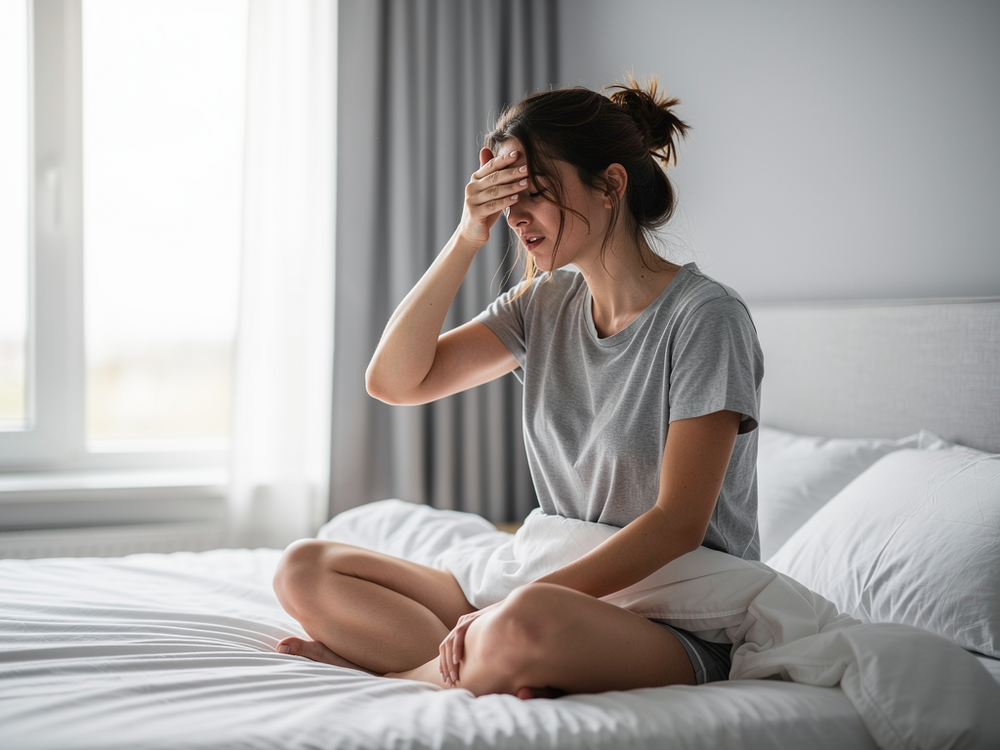
You’re doing everything right: a solid seven to nine hours in bed, a consistent routine, maybe even cutting back on late-night screens. Yet, each morning, you’re greeted by a familiar fog and a face in the mirror that looks utterly unrested—puffy eyes, a sallow complexion, a weariness that seems etched into your skin. This frustrating paradox of sleeping yet never feeling—or looking—refreshed is a common complaint, and recent health discussions are pointing to a frequently overlooked culprit: undiagnosed sleep apnea. This isn’t just about loud snoring; it’s a cycle of invisible sleep interruptions and oxygen deprivation that sabotages restorative rest, leaving you to face the day looking exhausted despite what your clock says was a full night’s sleep.
The Exhaustion Paradox: Sleeping Yet Never Rested
The core issue with sleep apnea is a profound deficit in sleep quality, not quantity. When you have obstructive sleep apnea, the most common form, the muscles in your throat relax excessively during sleep, causing your airway to repeatedly collapse. Each collapse blocks your breathing for seconds at a time, sometimes hundreds of times per night. Your brain, detecting the dangerous drop in oxygen, jolts you just awake enough to gasp for air—a process called an arousal. You’re rarely conscious of these micro-awakenings, but they constantly pull you out of the deep, restorative stages of sleep. Your body spends the night in a state of low-grade emergency, fighting for breath instead of undergoing vital repair processes. This is why you can log the recommended hours but still wake up feeling and looking tired and foggy after 8 hours sleep. Your sleep is fragmented, shallow, and physiologically stressful.
Wake up refreshed, reclaim your radiant glow.

Discover solutions for sleep apnea and banish that tired look.
Signs Your Tired Look Stems from Sleep Apnea
While chronic fatigue is a hallmark symptom, the visible markers of sleep apnea are critical clues that are often misattributed to stress, poor diet, or simple aging. Your appearance can be a direct reflection of the nightly strain your body endures.
Puffy Eyes and Morning Facial Swelling
One of the most common and telling signs is persistent morning puffiness, especially around the eyes. This isn’t just from a salty meal or a late night. The repeated drops in blood oxygen (hypoxia) and the physical strain of struggling to breathe trigger a stress response in your body. This can increase blood pressure and cause fluid to leak from blood vessels into surrounding tissues, a condition known as edema. The delicate skin around the eyes is particularly prone to this fluid retention, creating that characteristic swollen, exhausted look that lingers throughout the day.
Dull, Sallow Skin and Accelerated Aging
Your skin’s nightly renewal depends on uninterrupted deep sleep. During these crucial phases, blood flow to the skin increases, facilitating collagen production and the repair of daily damage from UV exposure and pollution. The constant cycle of arousal from sleep apnea fragments this process. Furthermore, the repeated oxygen deprivation promotes systemic inflammation and the release of stress hormones like cortisol, which can break down collagen and elastin. The result over time is a complexion that looks perpetually dull, sallow, and lacking in radiance, with fine lines and laxity becoming more pronounced. It’s a tired appearance born from cellular exhaustion.
Beyond the Face: Other Subtle Physical Indicators
The physical toll isn’t limited to your face. You might notice a dry mouth or sore throat upon waking from nighttime mouth breathing. Morning headaches are common due to fluctuating oxygen and carbon dioxide levels. Some people may experience night sweats as the body works harder to breathe. These signs, combined with a persistently exhausted face, paint a clearer picture of a sleep-disordered breathing issue.
Why Sleep Apnea Hits Women Differently
The classic stereotype of a sleep apnea patient—a loud-snoring, overweight, middle-aged man—is a significant barrier to diagnosis, particularly for women. Female physiology and symptom presentation often differ. Women are more likely to report subtler symptoms such as chronic fatigue, insomnia, restless legs, morning headaches, and mood disturbances like anxiety, depression, or irritability. The loud, gasping snoring may be absent or very mild. Because their symptoms don’t fit the expected mold, healthcare providers may attribute their constant fatigue and tired appearance to stress, perimenopause, thyroid issues, or anemia. This diagnostic gap means women can suffer for years with untreated apnea, their persistent tiredness and puffy eyes exhausted face dismissed as a lifestyle or hormonal problem rather than a serious medical condition.
Sleep better, look younger, feel revitalized.

Find effective treatments to combat sleep apnea's visible signs.
How Sleep Apnea Causes That Tired Appearance: The Physiological Link
Understanding the direct mechanisms connects the dots between a nighttime breathing disorder and a daytime tired face. Two primary processes are at work: oxygen deprivation and sleep architecture destruction.
Every breathing pause causes a dip in blood oxygen saturation. These recurrent hypoxic events trigger inflammation and oxidative stress throughout the body, damaging cells and impairing tissue repair. Simultaneously, the constant arousals prevent you from spending sufficient time in deep (slow-wave) sleep and REM sleep. These are the most restorative stages, critical for physical repair, memory consolidation, and hormonal regulation. Growth hormone, essential for tissue repair and rejuvenation, is primarily released during deep sleep. Without it, your body—and your skin—loses its prime recovery window. The tired look is the visible manifestation of this internal recovery deficit.
Daily Impacts of Apnea’s Invisible Fatigue
The ripple effects of this fragmented sleep extend into every corner of your life. The cognitive impact, often described as “brain fog,” is profound. You may struggle with concentration, forgetfulness, and slow processing speed, impacting work performance and safety. The emotional toll is equally heavy. Feeling perpetually drained while also looking exhausted can lead to social anxiety, withdrawal, and a sense of being misunderstood by friends and family who simply see you “looking worn out despite rest.” It creates a vicious cycle where low energy prevents you from exercising or socializing, which can further worsen sleep and health, all while your reflection reinforces a narrative of perpetual tiredness.
Diagnosis and Treatment Pathways: From Recognition to Recovery
If the signs resonate, taking action is crucial. The journey typically starts with your primary care physician, who can assess your risk factors and symptoms. They may refer you to a sleep specialist. Diagnosis has become more accessible, with home sleep apnea tests now widely used for initial screening. These compact devices monitor your breathing, heart rate, and oxygen levels overnight in your own bed. For more complex cases, an in-lab sleep study (polysomnography) remains the gold standard, providing a comprehensive view of your sleep stages and bodily functions.
The cornerstone of treatment for moderate to severe obstructive sleep apnea is Positive Airway Pressure (PAP) therapy. A small machine delivers a gentle, continuous stream of air through a mask, acting as a pneumatic splint to keep your airway open. For those with mild apnea or who cannot tolerate PAP therapy, alternatives include custom-fitted oral appliances that reposition the jaw, positional therapy devices to encourage side-sleeping, or, in select cases, surgical procedures.
For those seeking additional support, explore diet changes to boost testosterone and libido after 35.
Scientific Evidence
- ✔ Clinical Support: Testosil™ Formula
- ✔ Expert Community: ExcelMale Forum
- ✔ Study: Redefining obstructive sleep apnea diagnosis: An attention augmented CNN-BiLSTM
| Approach | Best For | Timeline for Noticeable Change | Key Consideration |
|---|---|---|---|
| Lifestyle & Positional Therapy | Very mild apnea, primary snoring, or as adjunct support. Individuals who are positional sleepers (apnea only on back). | Weeks to months for subtle energy improvements. Visible changes may be minimal if apnea persists. | Cannot address anatomical airway blockages. Crucial to confirm with a sleep test that apnea is truly mild. |
| Oral Appliance Therapy | Mild to moderate obstructive sleep apnea, or PAP-intolerant patients. Good for those who travel frequently. | Several weeks to adapt to the device. Energy and puffiness may improve within 1-2 months of consistent use. | Requires fitting by a qualified dentist. Potential for jaw pain or bite changes requires monitoring. |
| PAP Therapy (CPAP/APAP) | Moderate to severe obstructive sleep apnea. Considered first-line treatment for significant cases. | Some feel better in days; most see fatigue lift in 2-6 weeks. Facial puffiness often reduces within the first month. | Success depends on mask comfort and consistent use. A period of adjustment is normal, with support from a sleep clinic. |
| Integrated Protocol (PAP + Lifestyle) | Anyone seeking optimal results. Combines medical treatment with supportive habits for whole-body recovery. | Most robust and fastest improvement in both energy and appearance. Synergistic effects enhance overall wellness. | Requires commitment to both medical treatment and sustained lifestyle changes like weight management and sleep hygiene. |
Realistic expectations are key. While some experience a “miracle first night,” improvement is usually gradual. Reductions in daytime sleepiness and brain fog often come first, within a few weeks of consistent therapy. The visible puffiness from fluid retention can subside relatively quickly. Longer-term rejuvenation of skin tone and texture unfolds over months as your body finally receives consistent, oxygen-rich, restorative sleep.
While medical interventions are key, addressing lifestyle factors can significantly enhance outcomes. Let's explore some supportive strategies for holistic management.
Lifestyle and Supportive Strategies for Holistic Management
While medical treatment addresses the root cause, supportive lifestyle choices are powerful allies in your recovery and can improve treatment efficacy.
Sleep Hygiene Optimization: Create a sanctuary for sleep. A cool, dark, and quiet bedroom is essential. A consistent sleep-wake schedule, even on weekends, helps regulate your body’s internal clock. This optimizes the sleep you get, making therapy more effective. Diet and Nutrition: Reducing inflammatory foods and incorporating antioxidants can help combat the oxidative stress caused by hypoxia. Staying well-hydrated throughout the day (but limiting fluids right before bed) can help manage fluid balance. For some, reducing alcohol and heavy meals in the evening is critical, as both can relax throat muscles and worsen apnea.Consider also the impact of bad sleep and low testosterone in men how many hours do you really need.
Emerging research suggests that CPAP therapy can have a positive Effect of CPAP Therapy in Post-Stroke Patients with Sleep-Disordered Breathing: A....
Symptom Monitoring: Keeping a simple sleep diary can be invaluable. Note your energy levels, morning puffiness, and any headaches. This data helps you track progress and provides concrete information for your healthcare team. For women especially, tracking symptoms alongside hormonal cycles can reveal important patterns.Addressing sleep apnea requires a multifaceted approach. For more insights, consider exploring testosil vs testodren which is better for men over 40.
Frequently Asked Questions
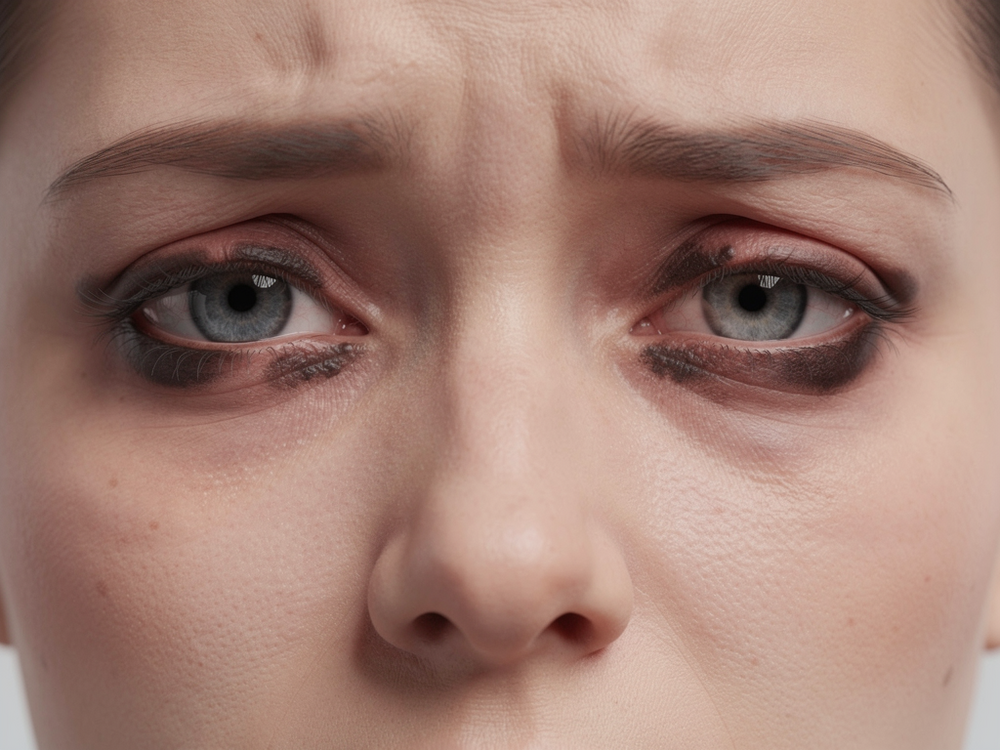
A: Yes, absolutely. This is a critical misconception. Especially in women, sleep apnea often presents without the classic, loud snoring. Symptoms like unrelenting fatigue, waking up with a gasp or choke, morning headaches, insomnia, and a persistently tired appearance are all significant red flags. Relying on snoring as the sole symptom leads to countless missed diagnoses.
Q: How long after starting treatment will I stop looking so tired?A: The timeline varies, but many people notice a reduction in morning facial puffiness and under-eye bags within the first few weeks of consistent treatment, as fluid retention decreases. Improvements in skin tone, radiance, and a reduction in that overall sallow, exhausted look develop over several months as your body consistently experiences restorative, oxygen-rich sleep and can effectively repair itself night after night.
Q: Is sleep apnea treatment like a CPAP machine safe for everyone?A: PAP therapy is non-invasive, does not involve medication, and is considered very safe for the vast majority of adults. Modern machines automatically adjust pressure and are very quiet. A proper diagnosis and equipment setup by a sleep specialist are essential to ensure the pressure is correct and the mask fits well. They will review your overall health to ensure it’s the right approach for you.
Q: Can’t I just try improving my sleep hygiene and see if that fixes it?A: Excellent sleep hygiene is foundational for health and can improve sleep quality, but it cannot correct a physical airway obstruction or a neurological breathing disorder. If you have underlying sleep apnea, no amount of a perfect bedtime routine will prevent your airway from collapsing. Think of sleep hygiene as optimizing the soil, but you still need the right treatment to address the root cause of the problem.
📌 Love this guide? Save it on Pinterest!
Pin Stop Looking Tired: Sleep Apnea's Impact on Your Face (2026 Guide) to your board so you can come back to it later.

