
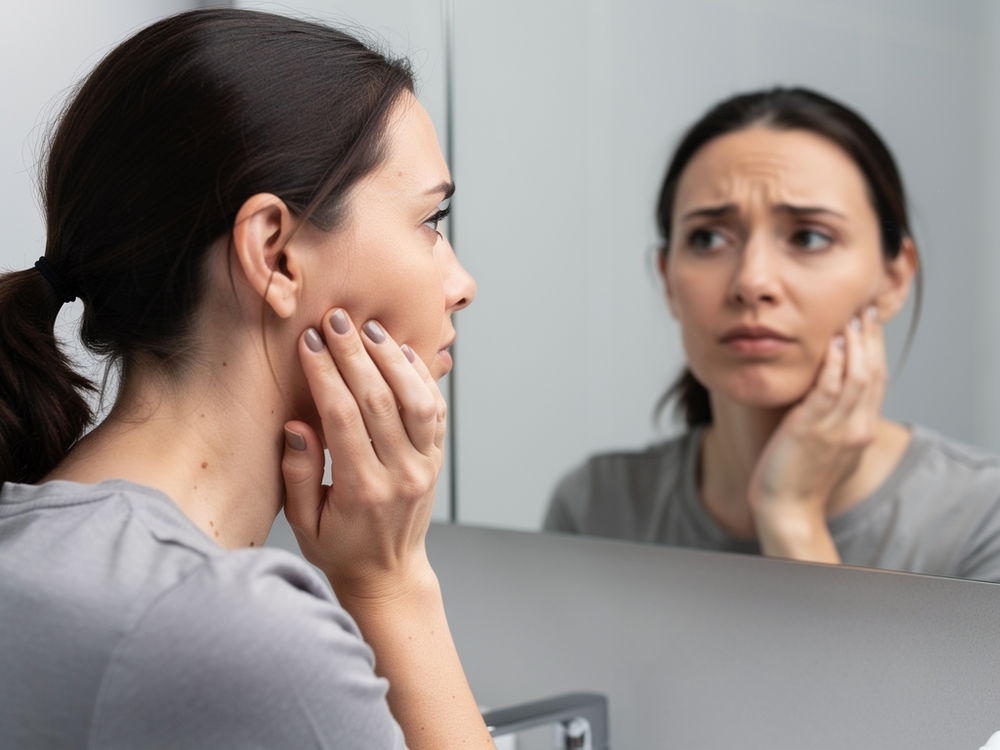
If you’ve caught your reflection recently and noticed a persistent, unexplained puffiness in your cheeks, a softening jawline, or a tired, rounder face despite your weight holding steady, you’re not imagining things. This phenomenon, increasingly termed ‘cortisol face,’ is becoming a hallmark of modern chronic stress, particularly among women navigating high-pressure careers and the hormonal shifts of midlife. It’s the physical manifestation of burnout showing up right on your face—a frustrating sign that goes beyond typical tiredness and isn’t fixed by skincare alone. Driven by a surge in wellness discussions in 2026, this article decodes why chronic stress reshapes your face and provides a targeted, evidence-based roadmap to help you reclaim your natural contours.
What Is Cortisol Face?
Cortisol face describes the distinct pattern of facial puffiness, particularly in the cheeks and under the eyes, coupled with a loss of jawline definition caused by prolonged exposure to elevated cortisol, the body’s primary stress hormone. Unlike generalized weight gain, this swelling is often isolated to the face and can appear seemingly overnight, creating a tired, ‘moon-faced’ appearance. It’s a direct signal that your stress response system is stuck in overdrive, impacting fluid balance and tissue structure in specific, visible ways.
Reveal a fresher, more sculpted you.

Reduce facial puffiness with targeted lifestyle adjustments.
Signs of Puffy Cheeks and Jawline
The most telling signs include a persistent fullness in the mid-face that obscures cheekbones, puffiness under the eyes that lingers all day, and a softening or blurring of the jawline’s sharp angle. You might notice your face feels taut or swollen upon waking, and other signs like rings feeling tight indicate broader, systemic fluid retention. This distinct pattern is what differentiates stress-related puffiness from other causes.
How Chronic Stress Elevates Cortisol
Under acute stress, cortisol provides a beneficial burst of energy and focus. However, in our modern ‘always-on’ lifestyle—driven by work deadlines, constant digital connectivity, and personal pressures—the stress response rarely shuts off completely. This leads to a state of consistently high cortisol levels, which then exert a continuous effect on the body’s systems, including those that regulate where fluid is stored and how skin structure is maintained, setting the stage for visible changes.
Cortisol's Role in Facial Fluid Retention
Prolonged elevation of cortisol directly interferes with the body’s delicate fluid and electrolyte balance, leading to noticeable puffiness. Cortisol has a mineralocorticoid effect, meaning it can act similarly to the hormone aldosterone, which signals the kidneys to retain sodium. Where sodium goes, water follows. This excess sodium and water retention often manifests visibly in the soft tissues of the face, especially around the cheeks and under the eyes, areas particularly prone to collecting fluid. This mechanism is precisely why your face can look puffy from stress with no corresponding weight gain elsewhere—it’s often a localized fluid issue driven by hormonal imbalance, not fat accumulation. Recent wellness discussions have zeroed in on this specific complaint, moving beyond older conversations that focused solely on stress-induced acne.
Signs Your Face Reveals Burnout Stress
Your face can be a clear dashboard warning light for systemic burnout, revealing what your mind might be trying to power through. Beyond general fatigue, specific facial changes indicate that stress has become chronic and embedded. Look for a persistent rounded or moon-shaped face, especially prominent in the morning; eyes that look perpetually tired and puffy despite adequate sleep; and a jawline that has lost its defined edge, making the lower face appear heavier and less sculpted. Many women in high-stress careers or perimenopause report this tired, bloated appearance that stubbornly resists topical creams or even dietary changes, pointing directly to internal hormonal and inflammatory drivers. This frustrating experience of ongoing swelling despite trying all the usual fixes is a key sign that cortisol management, not just skincare, is the missing piece.
It's important to consider how stress impacts other areas of your health. For example, you might also be interested in learning about constant fatigue and low sex drive in men over 40.
Causes in Modern Lifestyles
The perfect storm for cortisol face combines relentless psychological pressure with natural physiological shifts, a scenario many top-ranking articles overlook by focusing only on extreme medical conditions or generic advice.
Career Burnout Effects
The constant pressure of high-stakes jobs, long hours, and digital burnout keeps the sympathetic nervous system—the ‘fight or flight’ branch—perpetually activated. This state not only spikes cortisol but also disrupts restorative sleep and promotes low-grade inflammatory pathways. This triple threat directly contributes to facial puffiness and accelerates the breakdown of collagen, the protein responsible for skin’s firmness and structure.
Hormonal Shifts in Midlife Women
For women in their late 30s to 50s, fluctuating estrogen and progesterone during perimenopause can make the body more reactive to cortisol’s effects. Estrogen plays a crucial role in maintaining skin thickness, hydration, and collagen production. As levels decline, the skin’s structural support becomes more vulnerable to the degrading effects of chronic stress, accelerating the loss of facial definition and making fluid retention more apparent. This intersection of stress and hormonal transition is a critical content gap in most discussions.
Reclaim your natural contours.

Support collagen and reduce inflammation for a defined jawline.
Fluid Retention Mechanisms
Beyond cortisol’s direct action, common lifestyle factors in busy professionals create an ideal environment for facial puffiness. High sodium intake from processed or convenience foods exacerbates water retention. Dehydration from excessive caffeine intake can paradoxically signal the body to hold onto water. Furthermore, poor lymphatic drainage, often a result of long sedentary hours, means fluid and metabolic waste are not efficiently cleared from facial tissues, leading to a stagnant, puffy appearance.
Ready to explore solutions for a more radiant you?
Evidence-Based Reduction Routines
Reversing cortisol face requires a systemic, multi-pronged approach that addresses the root causes: high cortisol, inflammation, and compromised skin health. Isolated fixes rarely work; consistency across these domains is key.
Daily Fluid Reduction Steps
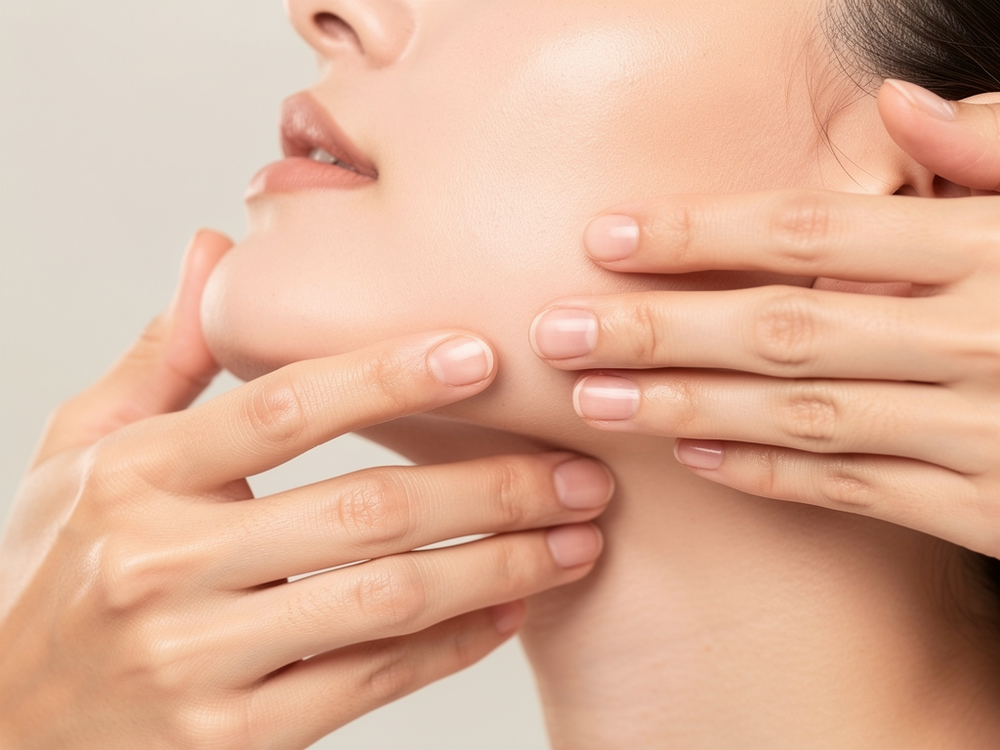
Begin with gentle manual lymphatic drainage. Using your fingertips or a smooth tool like a gua sha stone, apply light pressure and stroke from the center of your chin outwards along the jawline towards your ears, and from your neck upwards. This encourages fluid movement. Prioritize consistent hydration with plain water and herbal teas to help your kidneys flush excess sodium. Strategically reduce inflammatory foods like refined carbs and sugars, and increase your intake of potassium-rich foods (leafy greens, avocados, bananas) to help balance sodium levels at a cellular level.
Collagen Support Nutrition
Support your skin’s scaffolding from the inside out. Ensure adequate daily protein intake, as it provides the amino acids necessary for collagen synthesis. Incorporate vitamin C-rich foods (bell peppers, citrus, berries), which is essential for collagen formation. Include foods high in zinc and copper (nuts, seeds, legumes), minerals that act as cofactors in the collagen production process. Consuming bone broth or a quality collagen peptide supplement may provide direct building blocks to help counteract the accelerated collagen breakdown caused by elevated cortisol.
Sleep and Stress Protocols
Quality, consistent sleep is non-negotiable for cortisol reset. Aim for 7-9 hours per night, establishing a consistent bedtime and a wind-down routine free from screens. Incorporate daily stress-buffering practices that signal safety to your nervous system. Deep diaphragmatic breathing for five minutes, a short walk in nature, or a brief mindfulness meditation can lower cortisol. The regularity of these practices is far more impactful than their duration. A study on ectopic Cushing's Syndrome highlights the complexities of cortisol imbalances and the importance of proper diagnosis, as sometimes the issue goes beyond lifestyle factors and requires medical intervention The Clinical Spectrum and Management of Ectopic Cushing's Syndrome: A 12-Year....
Scientific Evidence
- ✔ Clinical Support: Testosil™ Formula
- ✔ Expert Community: ExcelMale Forum
- ✔ Study: Osilodrostat for Cyclic Cushing Disease.
Comparing Pathways to Address Stress-Induced Facial Changes
Different approaches suit different lifestyles and severity levels. The following table outlines realistic pathways, focusing on holistic, evidence-based strategies.
| Approach | Best For | Timeline | Key Consideration |
|---|---|---|---|
| Lifestyle-Focused Protocol | Individuals with mild to moderate puffiness seeking non-invasive, foundational change. Ideal for those new to stress management. | Initial puffiness reduction may be seen in 2-4 weeks. Significant improvement in skin tone and definition may take 3-6 months of consistency. | Requires high personal discipline and habit formation. Progress can be gradual, demanding patience. |
| Targeted Nutrition & Supplementation | Those who have basic lifestyle habits in place but need targeted support for inflammation and collagen synthesis. | May enhance results from lifestyle changes, with subtle improvements potentially noticeable within 4-8 weeks. | Quality and sourcing of supplements matter. Not a replacement for fixing sleep, diet, and stress fundamentals. |
| Integrated Mind-Body Reset | Individuals with high-stress careers or history of burnout where psychological stress is the primary driver. | Psychological and physical changes are deeply linked. Reductions in systemic inflammation and cortisol can begin within weeks, with facial changes following. | Often benefits from guidance (e.g., therapy, coaching). Addresses the root cause but is a longer-term commitment. |
| Professional Medical Evaluation | Anyone with sudden, severe, or disproportionate facial rounding, or when lifestyle changes yield no improvement after 3-6 months. | Depends on diagnosis and treatment plan. Crucial first step when an underlying endocrine disorder is suspected. | Essential to rule out conditions like Cushing's syndrome. A doctor can provide diagnostic clarity and safe treatment options. |
It's also important to ensure good circulation and overall health. You can explore natural ways to increase blood flow to penis without drugs.
Safety and Realistic Timelines for Midlife Women
While lifestyle interventions are generally safe, it’s crucial to approach changes mindfully, especially during the hormonal transitions of perimenopause and menopause.
Contraindications and Realistic Expectations
Be patient and systemic; reducing chronic inflammation and rebalancing hormones is not an overnight process. You may see a reduction in acute morning puffiness within a few weeks of improving sleep and hydration. However, restoring collagen integrity and achieving lasting jawline definition is a slower, more structural repair that can take several months of consistent practice. Avoid extreme detoxes, rapid weight loss, or aggressive diuretics, as these can further stress the body and paradoxically spike cortisol, worsening the problem long-term.
When to Consult a Specialist
It is essential to distinguish common stress-induced puffiness from medical conditions. Consult a healthcare provider if you experience rapid, severe facial rounding, a fatty hump between the shoulders (buffalo hump), widespread purple stretch marks, or sudden significant weight gain centered on the torso and face. Persistent swelling accompanied by other symptoms like extreme fatigue, muscle weakness, or irregular periods also warrants professional evaluation to rule out thyroid issues or other endocrine disorders.
Considering hormonal balance is key, especially for men. Learn about low testosterone vs normal aging how to tell the difference for men over 40.
Prevention and Long-Term Management Strategies
The ultimate goal is to build a sustainable, resilient lifestyle that keeps cortisol in a healthy range and supports facial vitality as a natural byproduct of overall wellness.
Lifestyle Integration
Weave stress-management into the fabric of your daily life, not as an add-on. Schedule short, non-negotiable breaks during work. Practice setting boundaries and saying no to non-essential demands. Cultivate hobbies that bring joy without performance pressure. View nutrition, sleep, and mindful movement as foundational pillars of your facial health—they are the ultimate preventative care.
Monitoring Meaningful Progress
Move beyond the scale. Take monthly front and side profile photos in consistent, natural lighting to track subtle changes in puffiness and definition. Pay attention to subjective cues: less morning tightness, rings fitting more comfortably, and a brighter, less tired appearance in the mirror. Also, notice improvements in energy, sleep quality, and emotional resilience, as these are primary indicators your cortisol is becoming better regulated. Celebrating these non-scale victories reinforces that your system is healing from the inside out.
Let's explore how to support your body's natural balance.
Frequently Asked Questions
With consistent lifestyle changes targeting cortisol, sleep, and diet, many people notice a decrease in morning puffiness and under-eye swelling within 2 to 4 weeks. However, restoring lost collagen and achieving significant jawline definition is a slower, structural process, often taking 3 to 6 months of dedicated practice. Patience and consistency are key, as the body needs time to rebalance its systems and repair tissues.
Can cortisol face happen even if I haven't gained weight?Absolutely. This is a defining characteristic of cortisol face. The puffiness is primarily due to fluid retention and inflammation driven by hormonal imbalance, not an increase in body fat. It’s very common for women to experience a rounder, fuller face and puffy cheeks from stress with no weight gain on the scale or in other parts of the body, which is a specific and frustrating experience for many busy working women.
Are there specific exercises or tools that help reduce jawline swelling?Yes, gentle lymphatic drainage massage is highly effective for encouraging fluid movement. Using clean fingers or a smooth tool like a gua sha stone, apply light pressure and stroke from the center of your chin outwards along the jawline towards your ears, and from your neck upwards. Doing this for 3-5 minutes daily can make a visible difference. Also, simply chewing crunchy, fibrous foods (like apples or carrots) can help engage and tone the jaw muscles, improving overall appearance.
Is cortisol face reversible, or are the changes permanent?The fluid retention and inflammatory components are highly reversible with the right lifestyle interventions. The collagen degradation that softens the jawline can also be improved by lowering cortisol and supporting collagen production through nutrition and skincare. While natural aging plays a role, much of the specific ‘stress face’ appearance can be reduced and prevented, allowing your natural facial contours to re-emerge over time.
Who is most at risk for developing noticeable cortisol face?Women, particularly those between 35 and 50, are more susceptible due to interactions between stress hormones and fluctuating reproductive hormones. Individuals in high-stress, demanding careers with poor work-life balance, those experiencing chronic sleep deprivation, and people with diets high in inflammatory foods and sodium are at increased risk. It’s a clear physical sign the body’s stress load has exceeded its capacity to cope effectively.
📌 Love this guide? Save it on Pinterest!
Pin Cortisol Face in 2026: Decode Stress Puffiness and Reclaim Your Contours to your board so you can come back to it later.

